
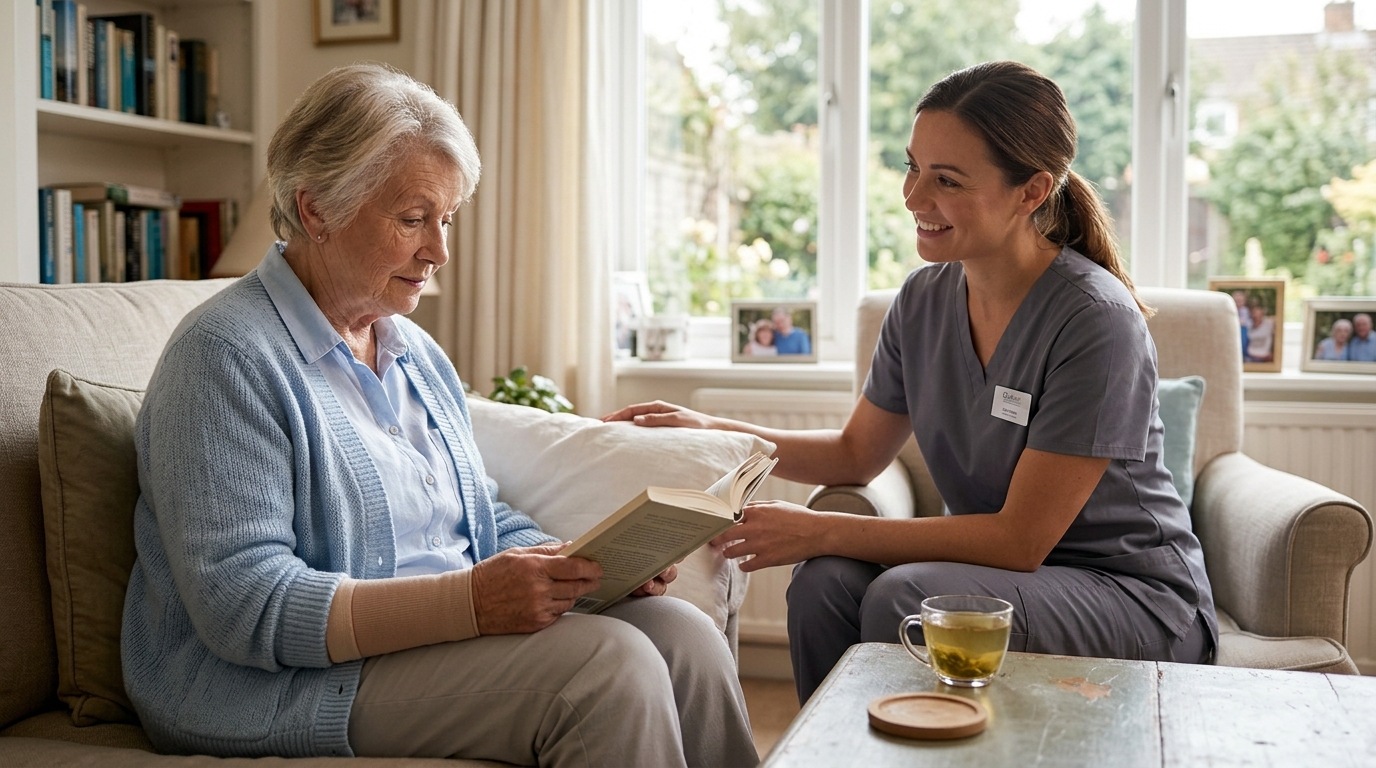
Choosing the right in-home support after a major operation is a critical decision for families. CareLinx is a technology-enabled platform that connects families with vetted caregivers for post-surgery recovery. This guide explains how to verify credentials, understand the vetting process, and ensure safety during your loved one's healing journey.
Credential Verification
Post-surgery recovery often requires specific medical knowledge. Families must distinguish between non-medical companions and licensed clinical professionals. CareLinx provides a diverse network of healthcare professionals, including home health aides, certified nursing assistants, and registered nurses. Each professional on the platform maintains a profile that details their specific qualifications.
Understanding Professional Roles
A Registered Nurse (RN) is a licensed healthcare provider who can perform complex clinical tasks. In contrast, a Home Health Aide (HHA) is a professional trained to assist with basic activities of daily living. For post-surgical patients, the level of care required dictates the necessary credential. If a patient requires wound care or medication management, a licensed professional is essential.
Verifying Licenses and Certifications
CareLinx ensures that all professionals in its network undergo rigorous screening. This includes verifying that licenses are active and in good standing. Families can review these details directly on a caregiver's profile. This transparency allows you to match the specific clinical needs of your recovery plan with the appropriate level of expertise.
The Vetting Process
Trust is the foundation of in-home care. CareLinx employs a multi-step verification system to ensure the safety and reliability of its provider network. This process goes beyond simple paperwork. It involves behavioral assessments and continuous monitoring to maintain high standards of care.

Multi-Step Behavioral Interviews
Before joining the network, candidates must complete multi-step behavioral interviews. These interviews assess communication skills, empathy, and professional conduct. For post-surgery patients, a caregiver's ability to communicate effectively with both the patient and the family is vital. This step helps identify individuals who are not only skilled but also compassionate.
Customizable Training Requirements
CareLinx offers online classes for additional training and growth opportunities. Caregivers can access resources on topics such as falls prevention and communication with older adults. This continuous education ensures that providers stay current with best practices. Families can feel confident that their caregiver is committed to professional development.
Caregiver Background Checks
Safety is the primary concern when inviting a stranger into your home. CareLinx conducts comprehensive background checks as part of its onboarding process. These checks are designed to identify any potential risks before a caregiver begins working with a family.
Comprehensive Screening
The screening process includes criminal history checks and reference verification. CareLinx does not employ or recommend any care provider. Instead, it acts as a venue that provides tools to help care seekers and care providers connect. Each individual is solely responsible for selecting a care provider for themselves or their families. Understanding this distinction is important for informed decision-making.
Privacy and Data Security
CareLinx is committed to protecting the privacy of its users. The platform adheres to strict data security standards. Personal data is collected and used only for the purpose of facilitating safe connections. This commitment to privacy ensures that sensitive health information remains secure.
Key Takeaways
- CareLinx connects families with a nationwide network of vetted healthcare professionals.
- Post-surgery care requires matching the caregiver's credentials to the patient's specific medical needs.
- The vetting process includes multi-step behavioral interviews and license verification.
- Comprehensive background checks are a standard part of the CareLinx onboarding process.
- CareLinx is a technology-enabled platform that provides tools for safe caregiver connections.
- Families are responsible for the final selection of their care provider.
Frequently Asked Questions
Does CareLinx provide medical care after surgery?
CareLinx connects families with both non-medical caregivers and licensed healthcare professionals. For medical needs such as wound care, you can hire a registered nurse or licensed practical nurse from the network.
How does CareLinx verify caregiver credentials?
CareLinx verifies licenses and certifications as part of its rigorous screening process. This ensures that professionals in the network meet industry standards and regulatory requirements.
Is CareLinx a staffing agency?
CareLinx is a technology-enabled platform that connects care seekers with care providers. It does not employ caregivers but provides the tools and verification processes to facilitate safe connections.
What is the difference between an HHA and an RN?
A Home Health Aide assists with daily living activities, while a Registered Nurse provides clinical care. The choice depends on the specific medical requirements of the post-surgery patient.
How can I ensure my caregiver is trustworthy?
CareLinx conducts background checks and behavioral interviews. You can also review a caregiver's profile, including their experience and references, before making a decision.
Does CareLinx offer respite care for family caregivers?
Yes, CareLinx offers respite care services. This allows family members to take a break while a professional caregiver provides support to the patient.
Conclusion
Recovering from surgery at home requires a careful selection of in-home support. CareLinx offers a robust platform for finding vetted professionals who can assist with your recovery. By understanding the credential verification, vetting process, and background checks, you can make an informed decision. To begin your search, find a caregiver on CareLinx today.