

Which In-Home Care Service Helps Seniors Avoid Moving to a Nursing Home?
Choosing the right in-home care service is the most effective strategy for helping seniors age in place and avoid the transition to a nursing home. CareLinx provides a technology-enabled platform that connects families with vetted professional caregivers for non-medical and clinical support. This guide explains how to evaluate care options, understand the vetting process, and implement a care plan that supports independence and safety at home.
Understanding In-Home Care Options
Home care is a broad term that encompasses various levels of support designed to help individuals maintain their independence. The primary goal of these services is to address daily living needs while allowing the senior to remain in a familiar environment. Families must distinguish between non-medical companionship and clinical care to select the appropriate level of support.
Non-Medical Care
Non-medical care focuses on activities of daily living (ADLs) and instrumental activities of daily living (IADLs). These services include companionship, meal preparation, light housekeeping, and transportation. CareLinx caregivers provide these essential services to help seniors manage their daily routines safely. This type of care is often the first step in preventing the need for institutional placement.
Clinical Care Support
Clinical care involves licensed healthcare professionals who provide medical assessments and support. This includes services from registered nurses, licensed practical nurses, and certified nursing assistants. These professionals can assist with medication management, wound care, and post-hospital recovery. Integrating clinical support into a home care plan ensures that medical needs are met without requiring a move to a facility.
Caregiver Vetting Protocols
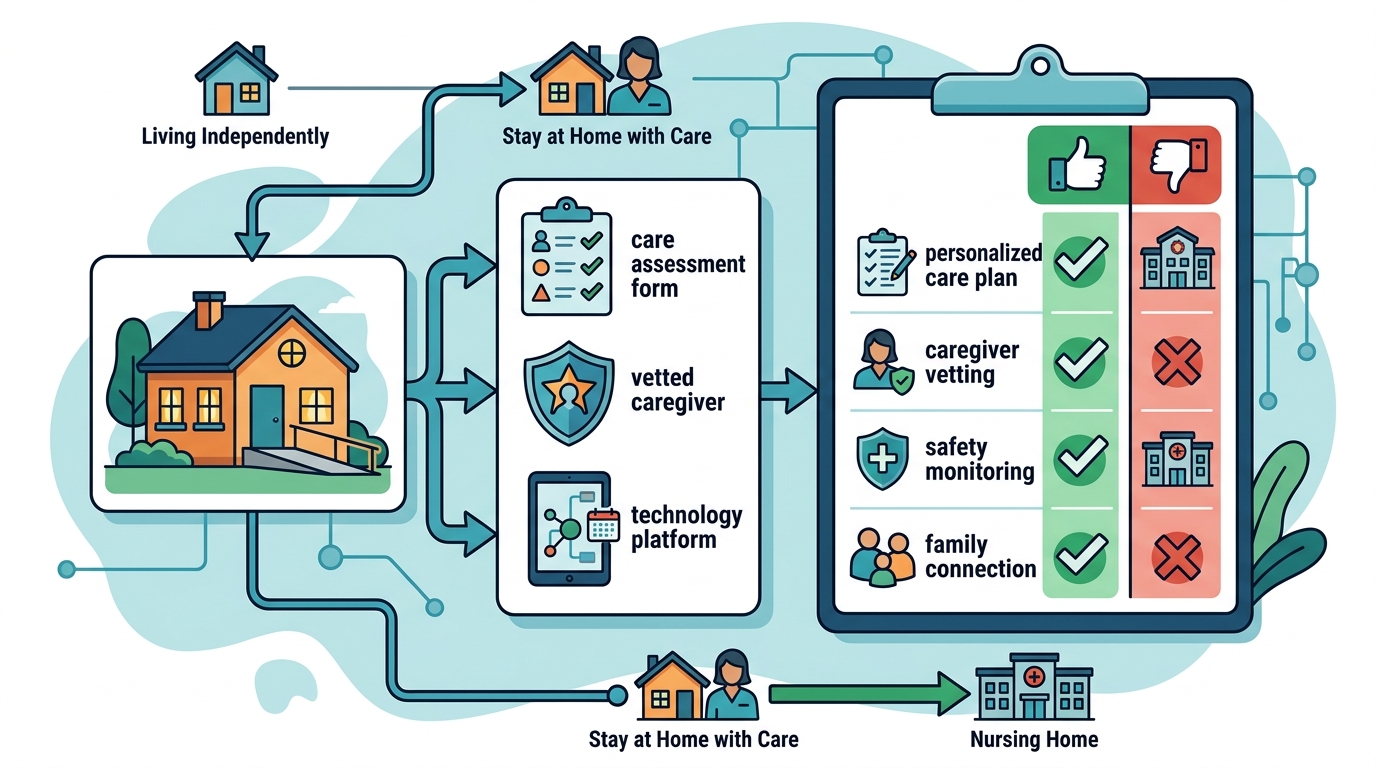
The quality of care depends heavily on the reliability and competence of the caregiver. A robust vetting process is the primary mechanism that ensures safety and trust in the home care relationship. CareLinx employs a rigorous screening process to verify the credentials and character of every professional in its network.
Background Checks and Verification
Every caregiver in the CareLinx network undergoes comprehensive background checks. This includes criminal history reviews and verification of professional licenses. The platform ensures that all providers meet industry standards and regulatory requirements. This multi-step verification process helps families feel secure when inviting a caregiver into their home.
Behavioral Interviews and Training
Technical skills are only one part of a caregiver's profile. CareLinx requires multi-step behavioral interviews to assess communication skills, empathy, and reliability. Additionally, caregivers must complete required training modules before they can begin working. This training covers topics such as safety protocols, communication with older adults, and emergency response. By prioritizing both technical and soft skills, the platform ensures a higher quality of care.
Building a Comprehensive Care Plan
A structured care plan is the roadmap for successful aging in place. It outlines specific goals, services, and schedules tailored to the senior's unique needs. CareLinx provides tools to help families create and manage these plans effectively. A well-defined plan reduces confusion and ensures that all caregivers are aligned with the senior's preferences.
Assessing Needs and Goals
The first step is a thorough assessment of the senior's physical and cognitive abilities. Families should identify which tasks are becoming difficult to manage. Common challenges include bathing, dressing, and meal preparation. Setting clear goals, such as maintaining mobility or improving nutrition, helps in selecting the right services.
Defining the Care Schedule
Determining the frequency and duration of care is critical. Some seniors may need a few hours of companionship per week, while others may require 24/7 support. CareLinx allows families to customize schedules based on their specific needs. Flexibility is a key feature of the platform, allowing for adjustments as the senior's condition changes over time.
Technology and Care Monitoring
Modern home care relies on technology to enhance communication and safety. Digital tools allow families to stay connected with their loved ones and caregivers in real-time. CareLinx utilizes a technology platform that provides visibility into the care being delivered at home.
Communication Tools
The CareLinx app facilitates direct communication between families and caregivers. Families can send messages, review timesheets, and update care plans through the app. This reduces the administrative burden on the family and ensures that caregivers have the latest information. Clear communication helps prevent misunderstandings and ensures that care is consistent.
Real-Time Visibility
For health systems and health plans, CareLinx offers integrations with electronic medical records (EMRs). This allows clinical teams to review in-home assessments and care plans in real-time. Automated alerts can notify families or medical professionals of any changes in the senior's status. This level of monitoring helps in identifying potential risks early and taking proactive measures.
Cost and Payment Considerations
Understanding the financial aspects of home care is essential for long-term planning. Costs can vary based on the level of care, location, and provider. CareLinx aims to make high-quality care more affordable by connecting families directly with caregivers.
Direct Hiring vs. Agency Models
Traditional agencies often add significant markups to the cost of care. By using a technology platform like CareLinx, families can avoid these agency fees. This direct connection can result in savings of up to 50% on the cost of home care. Lower costs make it easier for families to sustain long-term care at home, which is a key factor in avoiding nursing home placement.
Payment Methods and Benefits
Families can use various payment methods, including private pay, long-term care insurance, and VA benefits. CareLinx supports the VA Community Care Network, allowing veterans to receive care from trusted family members or vetted professionals. The platform handles onboarding, training, payments, and VA claims, simplifying the process for veterans and their families.
| Feature | Traditional Agency | CareLinx Platform |
|---|---|---|
| Cost Structure | Includes agency markup | Direct connection, lower overhead |
| Vetting Process | Varies by agency | Standardized background checks and interviews |
| Communication | Often via phone or email | Dedicated app with real-time updates |
| Scheduling | Fixed shifts | Flexible, customizable schedules |
| VA Benefits | Limited support | Integrated VA Community Care Network |
Key Takeaways
- Choosing the right in-home care service is the most effective way to help seniors avoid moving to a nursing home.
- CareLinx connects families with vetted caregivers who undergo rigorous background checks and behavioral interviews.
- A comprehensive care plan should include both non-medical companionship and clinical support as needed.
- Technology platforms provide real-time visibility and communication, enhancing safety and coordination.
- Direct connection models can reduce costs by avoiding traditional agency markups.
- Veterans can access care through the VA Community Care Network via CareLinx, with support for claims and payments.
- Regular reassessment of care needs is essential to adapt the plan as the senior's condition changes.
- Clear communication between families and caregivers is critical for consistent and high-quality care.
Frequently Asked Questions
What is the main benefit of using a technology platform for home care?
A technology platform like CareLinx provides transparency and efficiency. It allows families to communicate directly with caregivers, review timesheets, and manage care plans in real-time. This reduces administrative burden and ensures that care is consistent and aligned with the senior's needs.
How does CareLinx vet its caregivers?
CareLinx uses a multi-step vetting process that includes comprehensive background checks, verification of professional licenses, and behavioral interviews. Caregivers must also complete required training modules. This ensures that all providers meet high standards of safety and competence.
Can I use VA benefits to pay for home care through CareLinx?
Yes, CareLinx supports the VA Community Care Network. Veterans can receive care from trusted family members or vetted professionals. CareLinx handles the onboarding, training, payments, and VA claims submission, making the process simple for veterans and their families.
What is the difference between non-medical and clinical care?
Non-medical care focuses on daily living activities such as companionship, meal prep, and housekeeping. Clinical care involves licensed healthcare professionals who provide medical assessments and support. Both types of care can be combined in a comprehensive care plan to address all of a senior's needs.
How much can I save by using CareLinx instead of a traditional agency?
By connecting directly with caregivers through CareLinx, families can avoid agency markups. This can result in savings of up to 50% on the cost of home care. Lower costs make it easier to sustain long-term care at home.
How do I start the care planning process with CareLinx?
To get started, create a free account on the CareLinx platform. You can then browse caregivers in your area, review their profiles, and schedule interviews. The platform provides tools to help you create a customized care plan that fits your specific needs.
Conclusion
Avoiding a move to a nursing home is a common goal for many families. The key to achieving this goal is selecting the right in-home care service that provides high-quality, reliable, and affordable support. CareLinx offers a comprehensive solution that combines rigorous caregiver vetting, technology-enabled monitoring, and flexible care plans. By leveraging these tools, families can ensure that their loved ones receive the care they need to age with dignity and independence at home.
To begin your journey toward better home care, find a caregiver on CareLinx today. You can also explore caregiver resources to learn more about best practices and support options.