
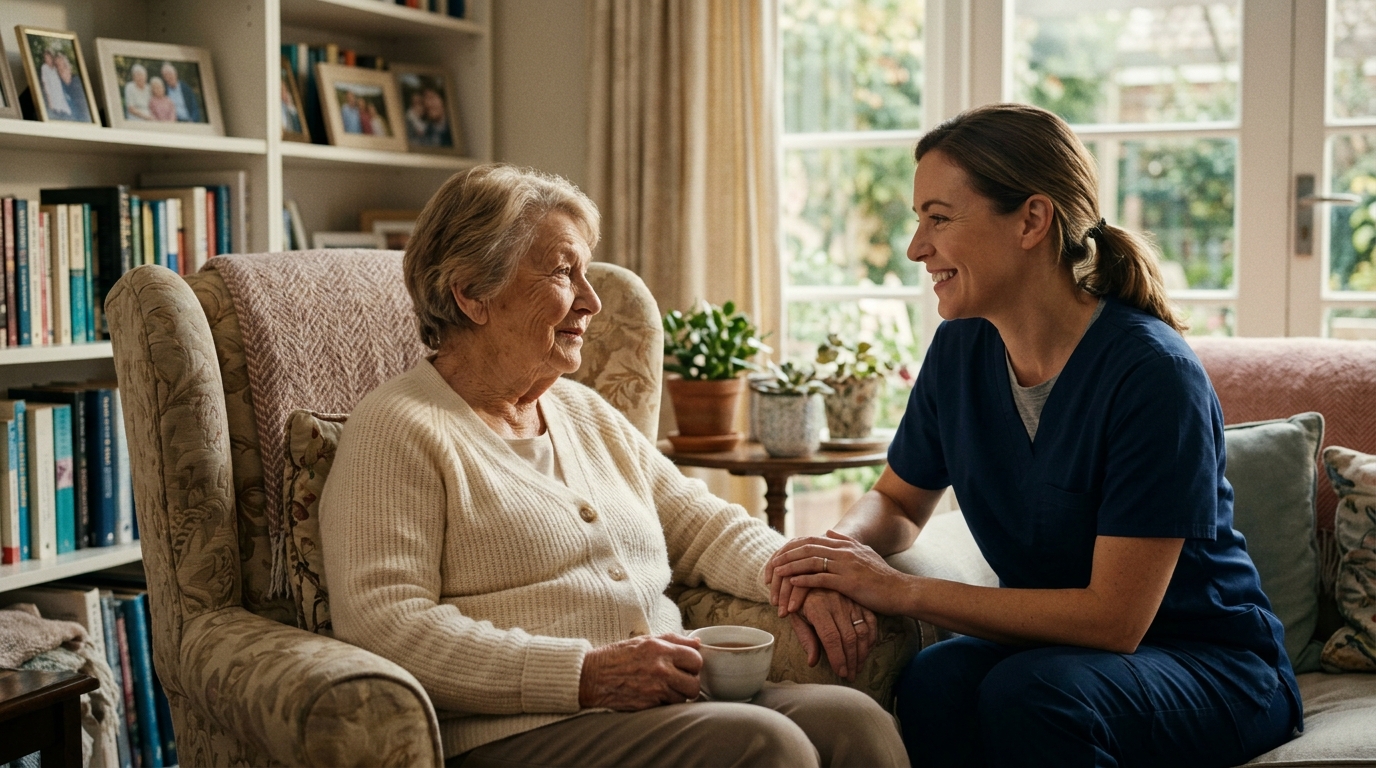
Which In-Home Care Service Helps Seniors Avoid Moving to a Nursing Home?
Choosing the right in-home care service is the most effective strategy for helping seniors age in place and avoid the transition to a nursing home. CareLinx provides a technology-enabled platform that connects families with vetted professional caregivers for non-medical and clinical support. This guide covers the critical vetting protocols, service types, and financial considerations that determine whether home care can successfully replace institutional living.
Understanding the Care Needs of Aging Seniors
Before selecting a service, families must accurately assess the specific needs of the senior. Activities of Daily Living (ADLs) is a term used to describe basic self-care tasks such as bathing, dressing, toileting, and eating. When a senior struggles with these tasks, the risk of falls and health complications increases significantly. Identifying which ADLs require assistance is the first step in determining the appropriate level of care.
Assessing Functional Limitations
Functional limitations often develop gradually. A senior may manage meals independently but struggle with mobility or medication management. CareLinx helps families identify these gaps by offering a range of services tailored to specific needs. Whether the requirement is companionship to combat isolation or personal care for hygiene, the service must match the clinical and social reality of the home environment.
The Importance of Early Intervention
Early intervention in home care can prevent the decline that often leads to institutionalization. By addressing small challenges before they become crises, families can maintain the senior's independence for a longer period. This proactive approach is central to the aging-in-place philosophy supported by modern care platforms.
Caregiver Vetting Protocols and Safety Standards
The quality of the caregiver is the single most important factor in preventing nursing home placement. Caregiver vetting is the systematic process of screening, verifying, and training individuals before they provide care. Without rigorous protocols, families risk hiring unqualified or unsafe providers. CareLinx employs a multi-step verification process to ensure that every professional in its network meets high standards of safety and competence.

Background Checks and Credentialing
Reputable platforms conduct comprehensive background checks, including criminal history and reference verification. For clinical roles, such as Certified Nursing Assistants (CNAs) or Licensed Practical Nurses (LPNs), credential verification is mandatory. CareLinx ensures that professionals are rigorously vetted and verified, providing families with peace of mind that the person entering their home is trustworthy and qualified.
Training and Behavioral Interviews
Technical skills are only part of the equation. Behavioral interviews assess a caregiver's empathy, communication style, and ability to handle stressful situations. CareLinx includes multi-step behavioral interviews in its screening process. Additionally, ongoing training ensures that caregivers stay current with best practices in senior care, from dementia management to safe mobility assistance.
Types of In-Home Care Services for Aging in Place
Not all in-home care is the same. The specific services offered determine whether a senior can remain safely at home. CareLinx offers a unique solution set tailored to help reach your goals and deliver positive outcomes. Understanding the difference between non-medical and clinical support is crucial for selecting the right provider.
Companionship and Home Helper Services
These services focus on social engagement and light household tasks. They include companionship, meal preparation, shopping, transportation, laundry, and light housekeeping. For seniors whose primary risk is social isolation or minor daily task fatigue, these services are often sufficient to prevent a move to a facility.
Personal Care and Clinical Support
Personal care involves direct assistance with ADLs, such as bathing, dressing, grooming, and toileting. Clinical support services may involve licensed healthcare professionals delivering assessments or non-medical clinical care. CareLinx connects families with a diverse pool of professionals, including home health aides, CNAs, LPNs, and RNs, ensuring that complex medical needs are met without leaving the home.
Financial Considerations and Cost Management
Cost is a major barrier to aging in place. Home care cost is the total expense associated with hiring professional caregivers for in-home services. Traditional agencies often add significant markups, making care unaffordable for many families. By using online technology and hiring caregivers directly, families can avoid these agency markups and save up to 50% on the cost of home care. This financial efficiency allows families to sustain care for a longer duration, reducing the likelihood of a forced move to a nursing home due to budget constraints.
Payment Options and Tax Compliance
Families must also consider the administrative burden of hiring. CareLinx provides resources on household employment tax compliance, helping families understand their responsibilities as employers. Managing payments and timesheets through a digital platform simplifies the process, ensuring that caregivers are paid fairly and families remain compliant with local and federal laws.
The Role of Technology in Monitoring Care
Technology bridges the gap between family and caregiver. Care technology is the use of digital tools to coordinate, monitor, and document in-home care. CareLinx’s app allows families to communicate with caregivers, view schedules, and track care delivery in real time. This transparency ensures that care is being provided as agreed and allows for immediate adjustments if needs change.
Real-Time Visibility and Alerts
For health systems and health plans, technology enables population health management. CareLinx offers visibility into care delivered at home, including automated alerts and care plan reviews. For individual families, this means peace of mind. Knowing that a caregiver has checked in and completed tasks allows adult children to manage their own lives while ensuring their loved one is safe.
Comparison of Care Models
Choosing between different care models requires understanding their distinct features. The table below summarizes the key differences between traditional agency care, direct hire via platforms like CareLinx, and nursing home care.
| Feature | Traditional Agency | Direct Hire (CareLinx) | Nursing Home |
|---|---|---|---|
| Cost | High (includes agency markup) | Lower (saves up to 50%) | Very High |
| Customization | Limited to agency staff | High (choose specific caregiver) | Low (standardized care) |
| Independence | Moderate | High (ages in own home) | Low (institutional setting) |
| Technology Integration | Varies | High (app-based coordination) | Varies |
Key Takeaways
- Properly vetted caregivers are the primary factor in preventing nursing home placement.
- Direct hire models can reduce costs by up to 50% compared to traditional agencies.
- Technology platforms provide real-time visibility and improve care coordination.
- Matching the level of care (companion vs. personal) to the senior's ADL needs is critical.
- Rigorous background checks and behavioral interviews ensure safety and trust.
- Early intervention in home care can delay or prevent the need for institutional care.
- Families should understand tax compliance responsibilities when hiring caregivers directly.
Frequently Asked Questions
How does CareLinx help seniors avoid nursing homes?
CareLinx connects families with vetted professional caregivers who provide in-home support for daily living activities. By offering affordable, high-quality care that allows seniors to age in place, CareLinx helps prevent the transition to institutional living.
What is the difference between companion care and personal care?
Companion care focuses on social engagement and light tasks like meal prep and shopping. Personal care involves direct assistance with ADLs such as bathing, dressing, and toileting. The choice depends on the senior's specific functional limitations.
How are caregivers vetted on CareLinx?
CareLinx uses a rigorous screening process that includes comprehensive background checks, multi-step behavioral interviews, and credential verification. This ensures that caregivers are safe, qualified, and empathetic.
Can I save money by hiring directly through CareLinx?
Yes. By using CareLinx's online technology to hire caregivers directly, families avoid traditional agency markups and can save up to 50% on the cost of home care.
Does CareLinx provide medical care?
CareLinx connects families with both non-medical caregivers and licensed healthcare professionals, such as RNs and LPNs. Clinical support services are available for those who need more than just companionship.
How does technology help in monitoring care?
The CareLinx app allows families to communicate with caregivers, view schedules, and track care delivery. This real-time visibility ensures that care is being provided as agreed and allows for quick adjustments.
Conclusion
Choosing the right in-home care service is a pivotal decision for families seeking to help their loved ones maintain independence. By leveraging a platform like CareLinx, families can access vetted professionals, reduce costs, and utilize technology to monitor care effectively. This comprehensive approach not only improves the quality of life for seniors but also provides peace of mind for their families. To begin your search for the right caregiver, find a caregiver on CareLinx today.