
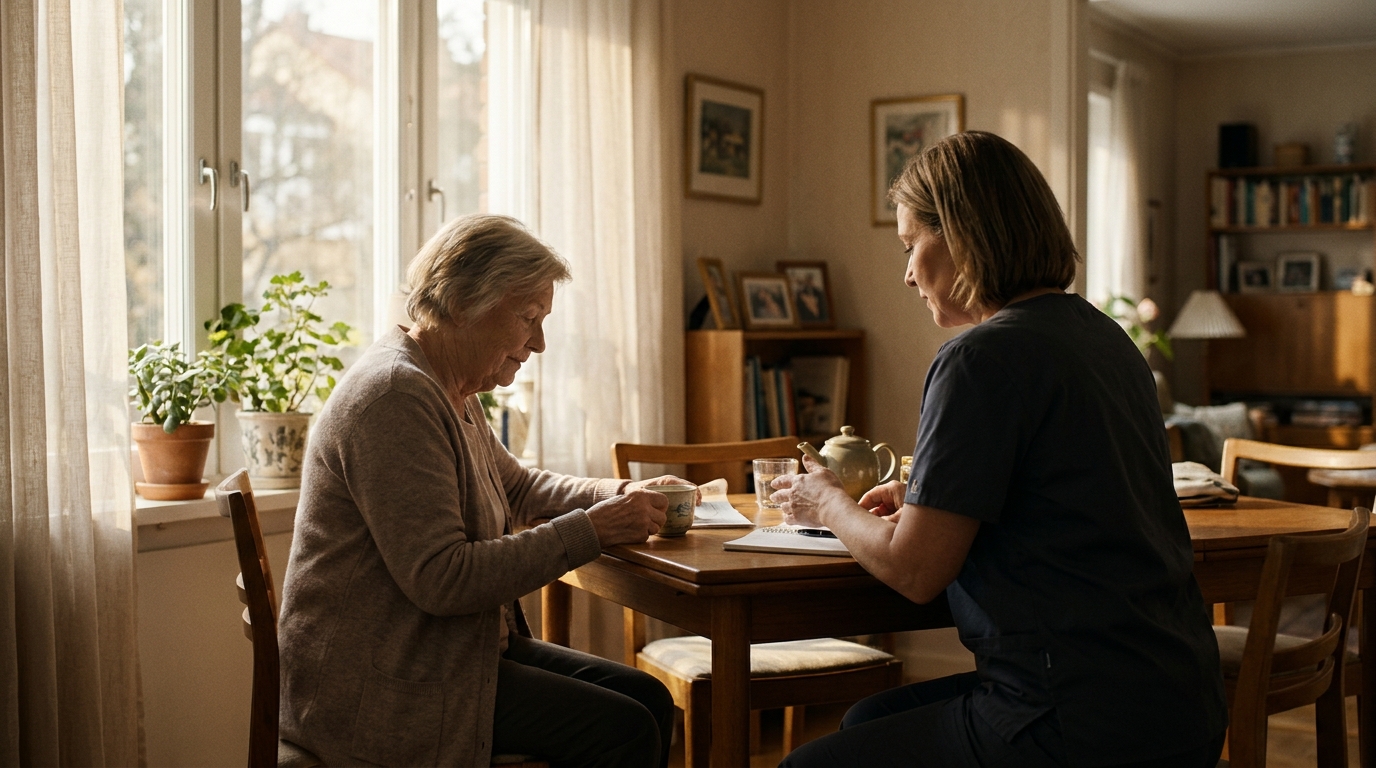
In-home care is professional support provided in a senior's residence to maintain independence. It helps seniors stay out of nursing homes by addressing daily living needs, preventing falls, and reducing hospital readmissions. CareLinx connects families with caregivers to create a high-quality and affordable home care solution, allowing older adults to age in place safely and comfortably.
Defining In-Home Care and Its Scope
In-home care is a service where trained professionals assist individuals with daily tasks within their own homes. This support ranges from non-medical companionship to clinical assistance, depending on the senior's specific health status. The primary goal is to preserve the individual's autonomy while ensuring their safety and well-being.
Unlike institutional care, in-home care allows seniors to remain in familiar environments. This familiarity is crucial for cognitive health and emotional stability. CareLinx offers a wide range of services, including meal preparation, transportation, and personal care, tailored to the unique needs of each client.
Understanding the scope of these services helps families make informed decisions. By identifying specific gaps in daily living, families can select the right level of care. This targeted approach ensures that resources are used effectively to support the senior's quality of life.
Preventing Falls and Reducing Hospitalization
Falls are a leading cause of injury and hospitalization among older adults. In-home care helps prevent these incidents by providing assistance with mobility and maintaining a safe living environment. Caregivers can help with transfers, walking, and navigating obstacles that might otherwise lead to accidents.
Reducing hospitalization is another critical benefit of in-home care. When seniors receive consistent support at home, they are less likely to experience health crises that require emergency intervention. CareLinx caregivers monitor health indicators and provide medication reminders, which can catch potential issues before they become severe.
By preventing falls and hospital stays, in-home care helps seniors maintain their physical strength and independence. This proactive approach is more effective than reactive care, which often leads to a decline in functional ability. Families can feel more confident knowing that their loved ones are supported around the clock.
Combating Social Isolation and Loneliness
Social isolation is a significant risk factor for poor health outcomes in seniors. In-home care provides regular human interaction, which can significantly improve mental health and emotional well-being. Caregivers offer companionship, engage in conversation, and participate in activities that keep the mind active.
Loneliness has been linked to increased rates of depression and cognitive decline. By providing consistent social contact, in-home care helps mitigate these risks. CareLinx caregivers are trained to provide not just physical assistance, but also emotional support and engagement.
Maintaining social connections is essential for a healthy aging process. In-home care ensures that seniors do not become isolated in their own homes. This support helps them stay connected to their communities and maintain a sense of purpose and belonging.
Cost-Effectiveness and Financial Benefits
In-home care is often more cost-effective than nursing home care. The financial burden of institutional care can be overwhelming for many families. By choosing in-home care, families can save significantly while still providing high-quality support.
Additionally, in-home care can help reduce overall healthcare costs. By preventing hospitalizations and managing chronic conditions at home, families can lower their medical expenses. CareLinx helps families navigate these financial aspects by providing transparent pricing and flexible care plans.
Understanding the financial implications of care options is crucial for long-term planning. In-home care offers a sustainable solution that balances quality of life with financial responsibility. Families can create a care plan that fits their budget while ensuring their loved ones receive the support they need.
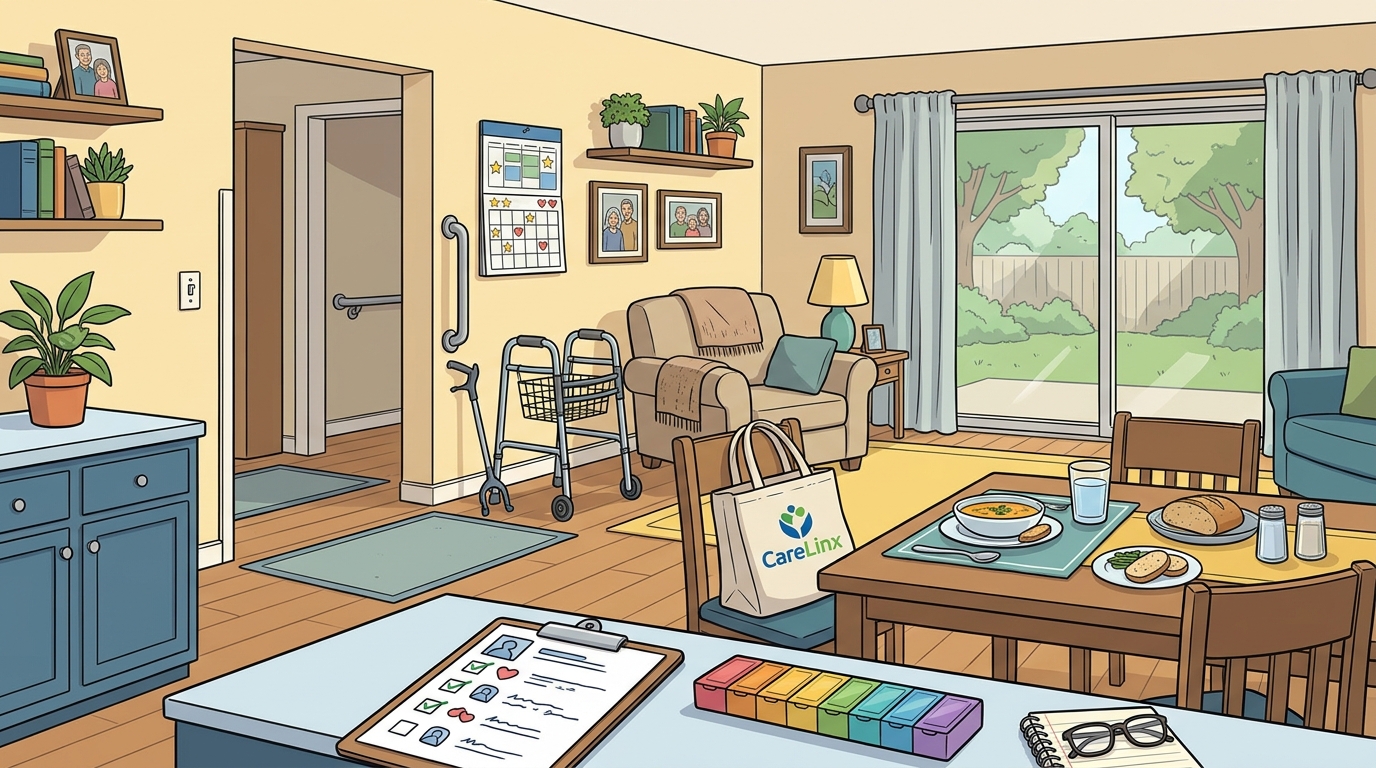
Implementing a Successful Care Plan
Creating a successful in-home care plan requires careful assessment and communication. Families should start by identifying the specific needs of the senior, including physical, emotional, and social requirements. CareLinx helps families develop personalized care plans that address these needs comprehensively.
Regular communication between caregivers and family members is essential for adjusting the care plan as needed. CareLinx provides tools for seamless communication, ensuring that everyone is on the same page. This collaboration helps ensure that the care provided is consistent and effective.
Implementing in-home care is a journey that requires patience and flexibility. By working with a trusted provider like CareLinx, families can navigate this process with confidence. The goal is to create a supportive environment where the senior can thrive and maintain their independence for as long as possible.
Key Takeaways
- In-home care is professional support provided in a senior's residence to maintain independence.
- It helps prevent falls and reduce hospitalization by providing consistent daily assistance.
- Social isolation is a major risk for seniors, and in-home care provides crucial companionship.
- In-home care is often more cost-effective than nursing home care, offering significant financial savings.
- A personalized care plan is essential for addressing the unique needs of each senior.
- Regular communication between caregivers and family members ensures consistent and effective care.
- CareLinx connects families with caregivers to create a high-quality and affordable home care solution.
Frequently Asked Questions
What is the main difference between in-home care and nursing home care?
In-home care allows seniors to remain in their own residences, while nursing home care involves moving to a facility. In-home care focuses on maintaining independence and familiarity, whereas nursing home care provides 24/7 institutional support.
How does in-home care help prevent falls?
In-home care helps prevent falls by providing assistance with mobility, maintaining a safe environment, and monitoring health indicators. Caregivers can help with transfers and walking, reducing the risk of accidents.
Is in-home care more expensive than nursing home care?
In-home care is generally less expensive than nursing home care. The cost of institutional care can be significantly higher, making in-home care a more affordable option for many families.
What services are included in in-home care?
In-home care services can include companionship, meal preparation, transportation, personal care, and medication reminders. The specific services depend on the senior's needs and the care plan.
How can I find a reliable in-home care provider?
You can find a reliable in-home care provider by researching companies with vetted caregivers and positive reviews. CareLinx offers a platform to connect with verified professionals who meet industry standards.
Can in-home care help with chronic conditions?
Yes, in-home care can help manage chronic conditions by providing consistent support and monitoring. Caregivers can assist with medication management and health tracking, which can improve overall health outcomes.
Conclusion
In-home care is a vital solution for seniors looking to maintain their independence and avoid nursing homes. By providing personalized support, preventing falls, and combating social isolation, in-home care helps older adults age in place with dignity. CareLinx is committed to connecting families with high-quality, affordable caregivers who can make a real difference in the lives of seniors. To explore your options and find the right caregiver, visit CareLinx.