
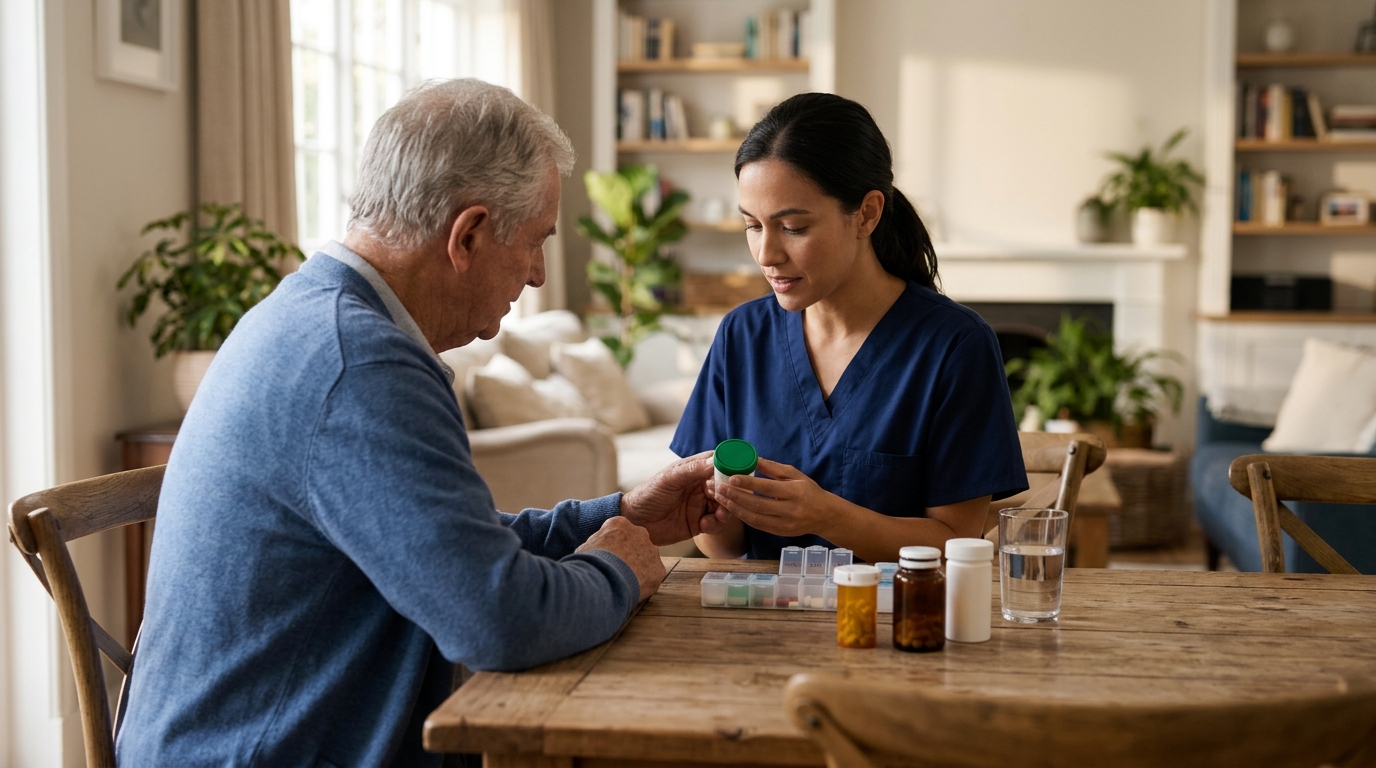
Medication errors are a leading cause of preventable harm in home settings. In-home caregivers reduce this risk by establishing strict routines, verifying prescriptions, and monitoring for adverse reactions. CareLinx connects families with vetted professionals who understand the critical importance of accurate medication management. By hiring a dedicated caregiver, you create a safety net that ensures your loved one takes the right drug, at the right time, in the right dose.
The Critical Role of Routine in Medication Safety
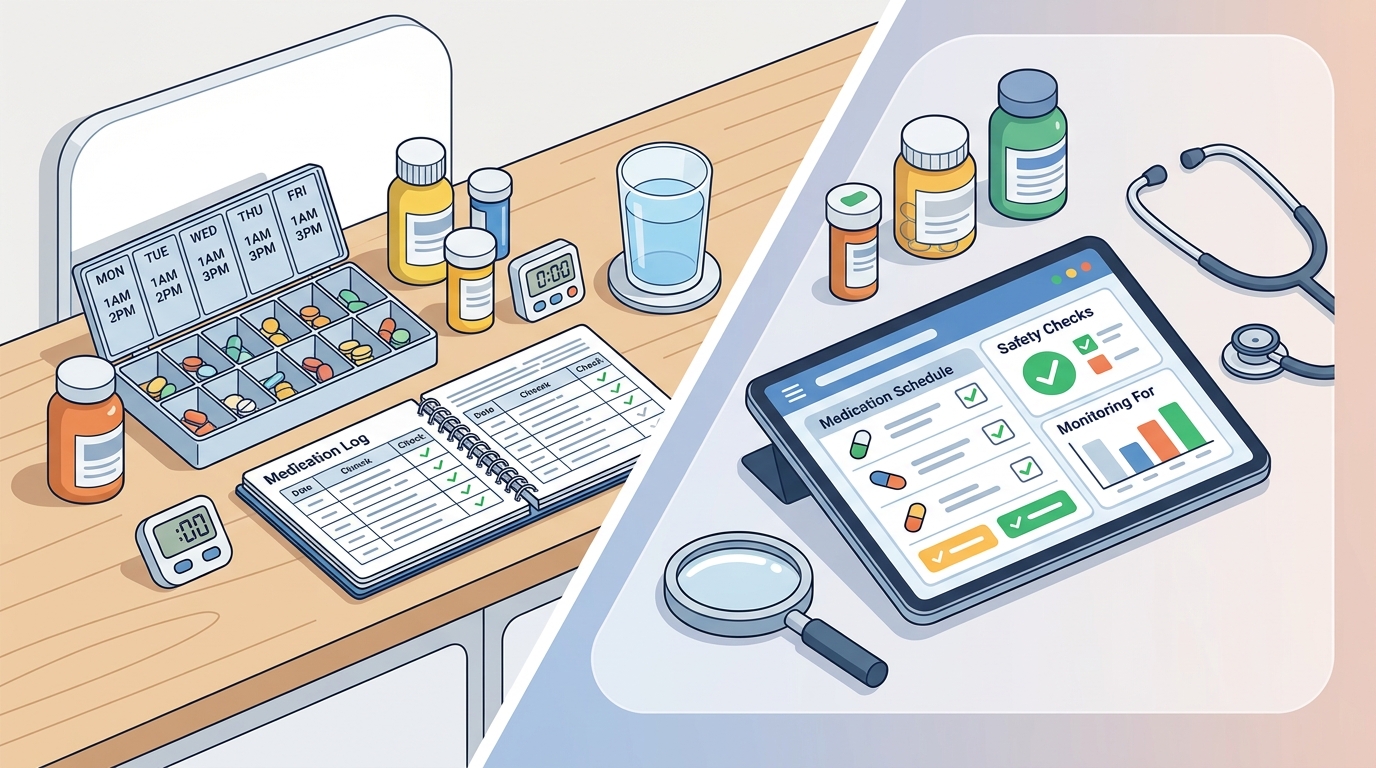
Consistency is the foundation of safe medication management. A structured daily schedule prevents missed doses and accidental double-dosing. Caregivers use tools like pill organizers and digital reminders to anchor medication times to specific daily activities, such as breakfast or bedtime. This routine reduces cognitive load for the patient and provides a clear audit trail for family members.
For example, a caregiver might link a morning blood pressure medication to the act of brushing teeth. This behavioral cue ensures the medication is not forgotten during a busy morning. When a routine is established, deviations become immediately noticeable, allowing for quick intervention.
Verification and Communication Protocols
Effective medication management requires clear communication between the caregiver, the patient, and healthcare providers. Caregivers act as a bridge, relaying changes in the patient's condition to doctors and clarifying instructions for the family. They verify prescription labels against doctor's orders to catch pharmacy errors before they reach the patient.
Professional caregivers are trained to ask the right questions. If a new medication is prescribed, they will confirm the purpose, dosage, and potential side effects. This proactive communication helps prevent dangerous drug interactions. Families can review these notes through the CareLinx app, ensuring everyone is on the same page regarding the care plan.
Monitoring for Adverse Reactions and Interactions
Medication safety extends beyond administration to active monitoring. Caregivers observe patients for signs of adverse reactions, such as dizziness, nausea, or confusion. They track these symptoms and report them to the healthcare team promptly. This early detection can prevent minor issues from becoming hospitalizations.
Consider a patient taking multiple medications for heart disease and diabetes. A caregiver might notice increased fatigue or low blood sugar symptoms. By documenting these observations and sharing them with the doctor, the care team can adjust dosages before a crisis occurs. This level of attentiveness is difficult for family members to maintain consistently, especially when balancing other responsibilities.
Technology and Tools for Enhanced Accuracy
Modern caregiving leverages technology to minimize human error. Digital health platforms allow caregivers to log medication administration in real-time. These records provide a transparent history that families and doctors can review. CareLinx integrates these tools into its platform, giving families visibility into the care their loved one receives.
Building a Supportive Care Environment
Safe medication management is part of a broader supportive environment. Caregivers help patients maintain healthy habits that complement their treatment, such as proper hydration and nutrition. They also provide emotional support, reducing the stress that can lead to medication non-adherence. A calm, structured home environment promotes better health outcomes.
CareLinx caregivers are trained to provide holistic support that addresses both physical and emotional needs. They understand that medication adherence is influenced by a patient's overall well-being. By fostering a positive care environment, caregivers help patients stay engaged with their treatment plans. This comprehensive approach ensures that medication safety is not an isolated task but an integral part of daily life.
Key Takeaways
- Structured routines and behavioral cues significantly reduce the risk of missed or double-dosed medications.
- Professional caregivers act as a communication bridge between patients, families, and healthcare providers.
- Active monitoring for adverse reactions allows for early intervention and dosage adjustments.
- Technology platforms provide real-time logging and transparency for medication administration.
- A supportive care environment that addresses emotional and physical needs promotes better medication adherence.
- Regular reviews of medication lists help identify and prevent dangerous drug interactions.
Frequently Asked Questions
Can a caregiver administer all types of medications?
Non-medical caregivers typically assist with medication reminders and organization but do not administer injectable or controlled substances. Clinical caregivers, such as licensed nurses, can administer a wider range of medications. CareLinx connects families with both types of professionals based on specific care needs.
How do caregivers handle medication changes?
Caregivers verify new prescriptions with the healthcare provider and update the care plan accordingly. They communicate changes to the family and adjust the medication schedule to reflect the new regimen. This ensures a smooth transition and minimizes confusion.
What should families do if they suspect a medication error?
Families should contact the healthcare provider immediately and document the incident. They should also review the medication log with the caregiver to understand what happened. CareLinx supports families in navigating these situations and ensuring proper follow-up.
How often should medication lists be reviewed?
Medication lists should be reviewed at every doctor's appointment and whenever a new medication is added or discontinued. Regular reviews help identify potential interactions and ensure that the care plan remains current and effective.
Does CareLinx provide training for caregivers on medication safety?
Yes, CareLinx caregivers undergo rigorous screening and training that includes medication management best practices. They are equipped with the knowledge and tools to handle medication tasks safely and effectively.
Conclusion
Preventing medication errors requires a combination of routine, communication, monitoring, and technology. Professional caregivers bring the expertise and consistency needed to manage complex medication regimens safely. CareLinx offers a trusted platform to find vetted caregivers who prioritize your loved one's safety and well-being. Explore our resources to learn more about how in-home care can provide peace of mind and support for your family. Learn more: About us CareLinx.