
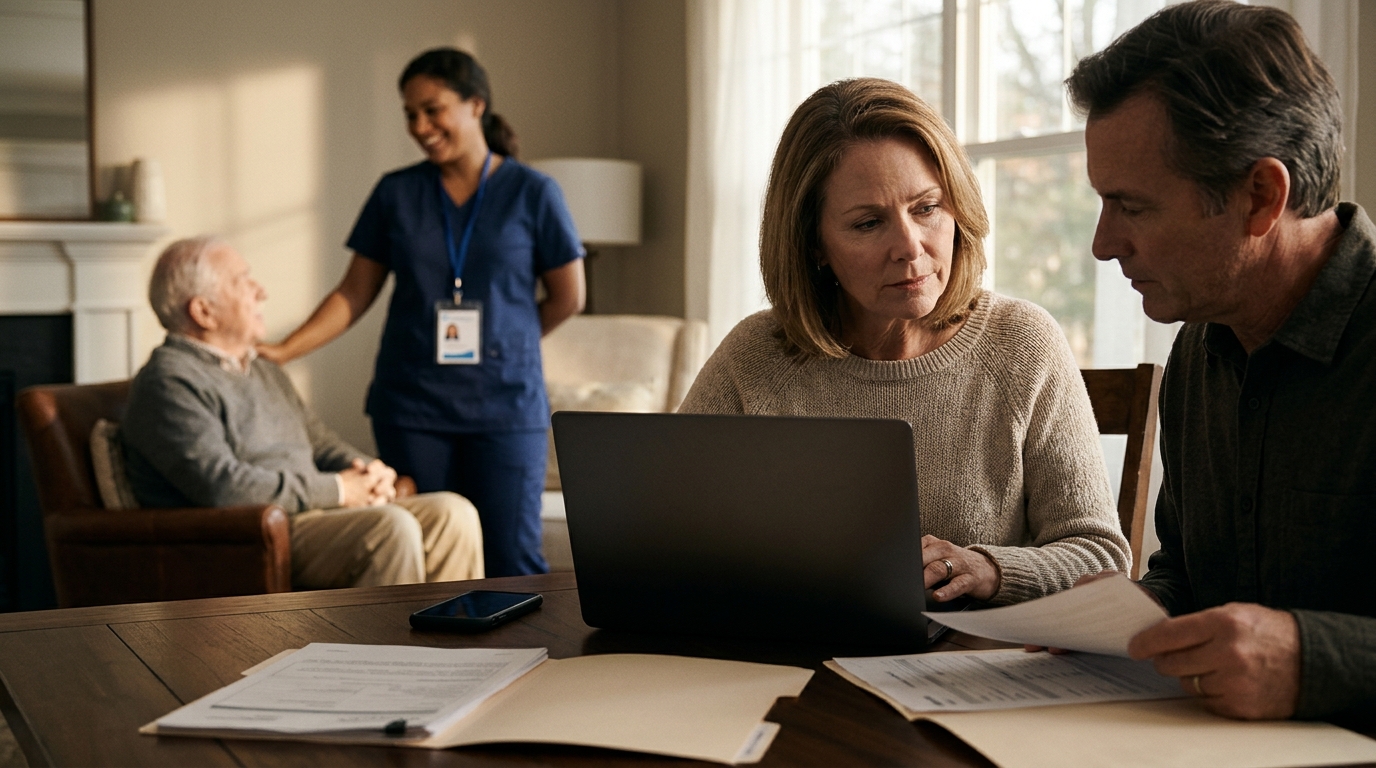
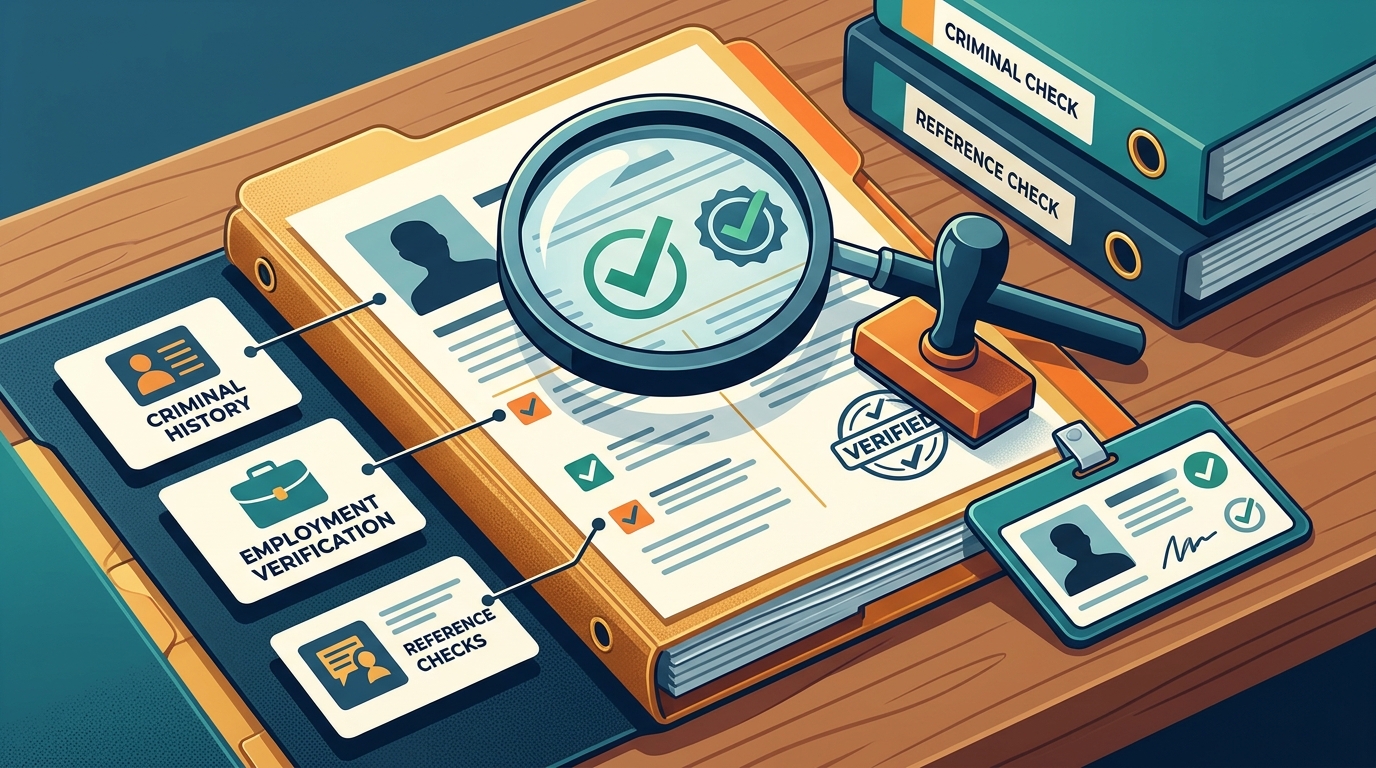
When hiring an in-home caregiver, the most critical safety screening process involves a multi-layered background check that includes criminal history, employment verification, and reference checks. Families must look beyond a simple database search to ensure the provider has undergone rigorous vetting. CareLinx emphasizes that trust is built on transparency and comprehensive verification, ensuring that the individuals entering your home are qualified and safe.
The Core Components of a Robust Background Check
A standard background check is the foundation of any safety screening protocol. It is a systematic review of an individual's criminal history, civil records, and professional background. This process is not a one-time event but a continuous requirement for maintaining trust in the caregiving relationship. Without this baseline verification, families cannot make informed decisions about who enters their private spaces.
Criminal History and Sex Offender Registries
The first layer of screening involves checking national and state criminal databases. This includes searching for felony and misdemeanor records that may indicate a risk to vulnerable adults. Additionally, providers must be screened against the National Sex Offender Public Website (NSOPW) and state-specific registries. These checks are mandatory in most jurisdictions for anyone providing care to elderly or disabled individuals.
Employment and Identity Verification
Verifying identity and past employment is equally important. A legitimate screening process confirms that the caregiver is who they claim to be and has the experience they describe. This step helps prevent identity fraud and ensures that the provider's resume aligns with their actual work history. It also allows families to verify that the caregiver has not been terminated for cause in previous roles.
Behavioral Interviews and Reference Checks
Database searches alone do not reveal a person's character or interpersonal skills. Behavioral interviews and reference checks provide the human element of safety screening. This is where the depth of the vetting process truly matters. A thorough interview explores how the caregiver handles difficult situations, manages stress, and communicates with clients and families.
The Role of Multi-Step Interviews
High-quality screening programs use multi-step behavioral interviews to assess soft skills. These conversations probe into past experiences with conflict resolution, empathy, and reliability. For example, a caregiver might be asked to describe a time they had to manage a client's behavioral changes. Their response reveals their patience and problem-solving abilities, which are critical for safe in-home care.
Verifying Professional References
Contacting previous employers or clients is a vital part of the process. References can confirm the caregiver's work ethic, punctuality, and interaction style. They may also provide insights into how the caregiver handled specific challenges, such as mobility assistance or medication reminders. This direct feedback helps families gauge the caregiver's suitability for their specific needs.
Specialized Training and Certification Verification
Safety is not just about who the caregiver is, but also about what they know. Verifying certifications and training ensures that the provider has the necessary skills to deliver safe care. This is particularly important for caregivers assisting with activities of daily living (ADLs) or managing specific health conditions.
Checking for Required Certifications
Families should verify that caregivers hold current certifications relevant to their role. For instance, a Certified Nursing Assistant (CNA) must have a valid state license. Similarly, caregivers trained in dementia care or fall prevention should be able to provide proof of their training. CareLinx offers resources to help families understand the different types of caregivers and the qualifications they should expect.
Ongoing Education and Compliance
Safe caregiving requires continuous learning. Providers should be engaged in ongoing education to stay current with best practices in health and safety. This includes training on infection control, proper lifting techniques, and emergency response. A commitment to professional growth indicates a caregiver who is dedicated to providing high-quality, safe care.
The Importance of Ongoing Monitoring
Safety screening does not end when a caregiver is hired. Ongoing monitoring and periodic re-screening are essential for maintaining a safe environment. This is a dynamic process that adapts to changes in the caregiver's status and the client's needs.
Periodic Re-Screening
Many jurisdictions require periodic re-screening of caregivers, typically every one to three years. This ensures that any new criminal activity or changes in employment status are detected. Families should ask about the frequency of re-screening and how the provider handles any red flags that arise during this process.
Feedback and Performance Reviews
Regular feedback from clients and families is a key component of ongoing safety monitoring. This allows the provider to identify any issues with the caregiver's performance or behavior early on. It also creates a record of the caregiver's interactions, which can be useful in case of any disputes or concerns.
Key Takeaways
- A robust background check includes criminal history, sex offender registry, and employment verification.
- Behavioral interviews and reference checks assess a caregiver's character and interpersonal skills.
- Verifying certifications and training ensures the caregiver has the necessary skills for safe care.
- Ongoing monitoring and periodic re-screening are essential for maintaining a safe environment.
- Families should look for providers who offer transparency in their screening processes.
- CareLinx connects families with vetted caregivers who have undergone rigorous screening.
Frequently Asked Questions
What is a background check for in-home care?
A background check for in-home care is a comprehensive review of a caregiver's criminal history, employment record, and references to ensure they are safe and qualified to provide care.
How often should caregivers be re-screened?
Re-screening frequency varies by state and provider, but it is typically required every one to three years to ensure ongoing safety and compliance.
Do all caregivers need to pass a background check?
Yes, most states require caregivers providing in-home care to pass a background check, especially if they are assisting with personal care or ADLs.
What should I ask a caregiver about their screening process?
Ask about the specific databases used, the frequency of re-screening, and how they handle any red flags or discrepancies found during the check.
Can I see the results of a caregiver's background check?
While you may not see the full report, you should be able to confirm that the caregiver has passed the required screening and holds any necessary certifications.
How does CareLinx screen its caregivers?
CareLinx uses a rigorous screening process that includes background checks, multi-step behavioral interviews, and verification of training and certifications.
Conclusion
Choosing the right in-home caregiver requires a commitment to safety and thorough vetting. By understanding the components of a robust screening process, families can make informed decisions and ensure the well-being of their loved ones. CareLinx is dedicated to connecting families with trusted caregivers who have undergone comprehensive safety screening. To find a caregiver who meets these high standards, find a caregiver on CareLinx today.