

In-home care agencies ensure trustworthy hiring through multi-stage verification, including background checks, credential validation, and behavioral interviews. CareLinx by Sharecare implements a rigorous screening process that includes comprehensive background checks, multi-step behavioral interviews, and customizable training requirements. This approach helps families connect with skilled professionals who meet industry standards and regulatory requirements for senior care. according to 10 Tips for
The Multi-Stage Screening Process
Trustworthy hiring begins with a comprehensive screening process that goes beyond simple resume reviews. CareLinx utilizes a rigorous screening process that ensures members have access to skilled and trusted professionals. This process includes comprehensive background checks to identify any criminal history or red flags that might pose a risk to vulnerable seniors. By conducting these checks at the initial stage, agencies can filter out candidates who do not meet basic safety standards before they ever interact with a client.
The screening process is not a one-time event but a continuous verification effort. Agencies must verify that credentials remain valid and that background checks are updated periodically. This ongoing diligence is critical because the safety of seniors depends on the current status of the caregiver’s record. For example, a caregiver who passes an initial check must still be monitored for any new legal issues that arise during their tenure.
Credential Verification and Licensing
Credential verification is the process of confirming that a caregiver holds the necessary licenses, certifications, and training to provide specific types of care. For clinical roles, this means verifying that Registered Nurses (RNs), Licensed Practical Nurses (LPNs), and Certified Nursing Assistants (CNAs) hold active, unencumbered licenses in the state where they practice. CareLinx offers access to a diverse pool of healthcare professionals, including home care professionals, nurses, aides, and more, all of whom undergo rigorous screening and credentialing processes.
Non-medical caregivers also require specific training in areas such as fall prevention, medication reminders, and personal care techniques. Agencies must verify that these training certificates are current and issued by recognized bodies. This ensures that caregivers are not only legally qualified but also practically competent in the skills required for daily living activities. For instance, a caregiver providing personal care must demonstrate proficiency in safe transfer techniques to prevent injuries to both themselves and the senior.
Behavioral Interviews and Soft Skills Assessment
Behavioral interviews are a critical component of the hiring process, focusing on a candidate’s past actions and decision-making in caregiving scenarios. These interviews assess soft skills such as empathy, communication, and problem-solving, which are essential for building trust with seniors and their families. CareLinx’s screening process includes multi-step behavioral interviews to evaluate how candidates handle difficult situations, such as managing a senior’s resistance to care or dealing with family conflicts.
Soft skills are often the differentiator between a competent caregiver and a trustworthy one. A caregiver may have all the technical skills but lack the patience or emotional intelligence to provide compassionate care. By assessing these traits through behavioral interviews, agencies can identify candidates who are likely to build strong, trusting relationships with their clients. This is particularly important for seniors who may be experiencing cognitive decline or emotional distress, as a caregiver’s demeanor can significantly impact their well-being.
Ongoing Monitoring and Quality Assurance
Ongoing monitoring is the practice of continuously evaluating a caregiver’s performance and conduct after they have been hired. This includes regular check-ins with clients and families, as well as reviewing feedback and incident reports. CareLinx provides visibility and insights into the care delivered at home, allowing families to review in-home assessments, care plans, and automated alerts in real-time. This transparency helps ensure that caregivers are consistently meeting the agreed-upon standards of care.
Quality assurance programs also include periodic re-evaluations of caregivers’ skills and knowledge. This might involve refresher training on new care techniques or updates to safety protocols. By investing in continuous professional development, agencies can maintain high standards of care and adapt to changing needs. For example, a caregiver who initially excels in companionship may need additional training if a senior’s condition changes and requires more personal care assistance.
The Role of Technology in Vetting
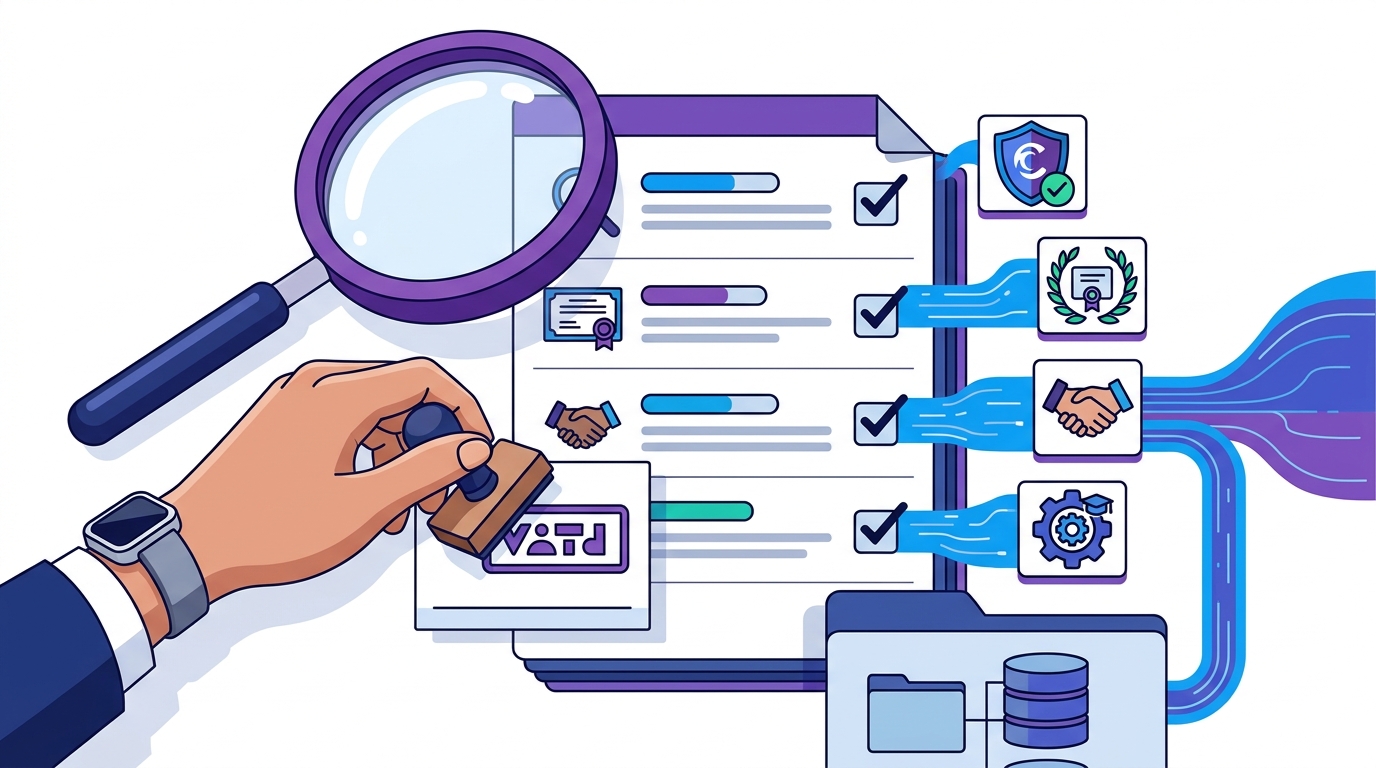
Technology plays a crucial role in modern caregiver vetting, enabling agencies to streamline the screening process and enhance data accuracy. CareLinx leverages cutting-edge software and AI-driven platforms to streamline the recruitment process, ensuring that every healthcare professional meets industry standards and regulatory requirements. These tools can automate background checks, verify credentials against state databases, and flag potential red flags for human review. according to How to Find
Technology also facilitates better communication and coordination between caregivers, families, and agency staff. For example, mobile apps can allow caregivers to log their activities, report incidents, and receive real-time support from agency coordinators. This not only improves the quality of care but also provides a digital trail that can be reviewed for quality assurance purposes. By integrating technology into the vetting process, agencies can scale their operations while maintaining high standards of trust and safety.
Key Takeaways
- Multi-stage screening, including background checks and credential verification, is essential for ensuring caregiver trustworthiness.
- Behavioral interviews assess soft skills like empathy and communication, which are critical for building trust with seniors.
- Ongoing monitoring and quality assurance programs help maintain high standards of care after initial hiring.
- Technology, including AI-driven platforms and mobile apps, streamlines the vetting process and enhances data accuracy.
- Agencies like CareLinx by Sharecare combine rigorous screening with continuous professional development to ensure caregivers meet industry standards.
Frequently Asked Questions
What is a background check in the context of hiring caregivers?
A background check is a process of reviewing a candidate’s criminal history, employment history, and other relevant records to assess their suitability for a caregiving role. It is a critical step in ensuring the safety of seniors and their families.
How do agencies verify a caregiver’s credentials?
Agencies verify credentials by checking state licensing databases, contacting previous employers, and reviewing training certificates. This ensures that caregivers hold valid licenses and certifications for the specific type of care they provide.
What are behavioral interviews, and why are they important?
Behavioral interviews are a type of interview that focuses on a candidate’s past actions and decision-making in caregiving scenarios. They are important because they assess soft skills like empathy and problem-solving, which are essential for building trust with seniors.
How does technology improve the caregiver vetting process?
Technology improves the vetting process by automating background checks, verifying credentials against state databases, and providing real-time visibility into care delivery. This enhances data accuracy and allows agencies to scale their operations while maintaining high standards.
What is the role of ongoing monitoring in caregiver trustworthiness?
Ongoing monitoring involves continuously evaluating a caregiver’s performance and conduct after they have been hired. It includes regular check-ins with clients and families, as well as reviewing feedback and incident reports, to ensure that caregivers consistently meet the agreed-upon standards of care.
How can families ensure they are working with a trustworthy caregiver?
Families can ensure they are working with a trustworthy caregiver by choosing an agency that implements a rigorous screening process, including background checks, credential verification, and behavioral interviews. They should also engage in ongoing communication with the caregiver and agency to monitor the quality of care.
Conclusion
Ensuring trustworthy caregivers for seniors requires a comprehensive approach that combines rigorous screening, credential verification, behavioral interviews, and ongoing monitoring. CareLinx by Sharecare exemplifies this approach by leveraging technology and human expertise to connect families with skilled professionals who meet industry standards. By understanding these vetting protocols, families can make informed decisions and find caregivers who provide safe, compassionate, and reliable care. To explore how CareLinx can help you find the right caregiver for your loved one, find a caregiver today.