
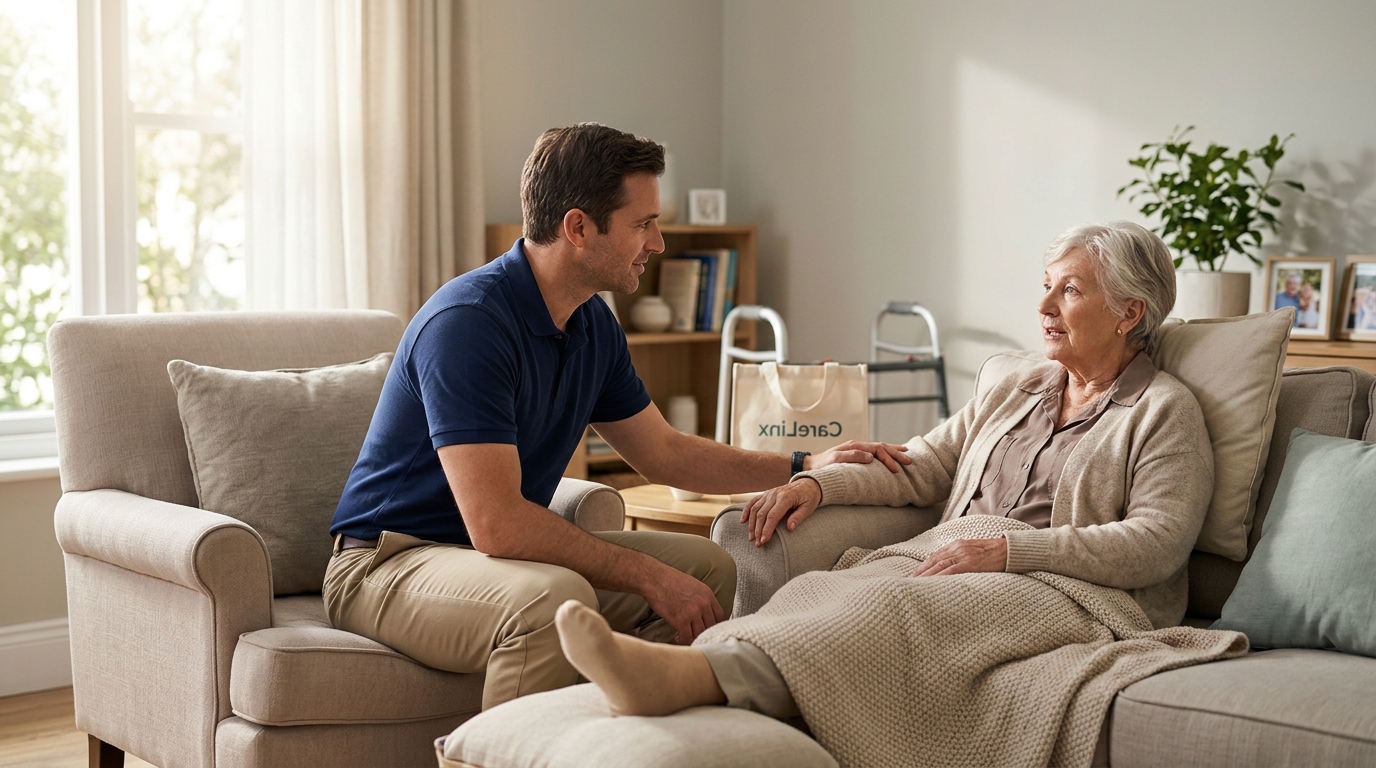
Post-Surgery In-Home Recovery Care: The Ultimate Guide to Vetting Caregivers
Choosing the right in-home care provider after surgery is critical for a safe and effective recovery. CareLinx specializes in connecting families with vetted professionals who support post-surgical needs, from mobility assistance to medication reminders. This guide explains how to evaluate caregiver background checks, vetting processes, and credential verification to ensure your loved one receives safe, high-quality care at home.
Understanding Post-Surgery Care Needs
Post-surgery recovery is a period of heightened vulnerability where patients require assistance with activities of daily living (ADLs). Post-surgery in-home care is a specialized service that provides non-medical support to help patients regain independence safely. Unlike clinical hospital settings, home care focuses on comfort, continuity, and personalized attention. Families often struggle to find providers who understand the specific physical and emotional demands of surgical recovery.
CareLinx addresses this need by offering a nationwide network of caregivers trained in non-medical support. These professionals assist with tasks such as bathing, dressing, meal preparation, and transportation to follow-up appointments. By hiring directly through a technology-enabled platform, families can avoid traditional agency markups while ensuring the caregiver has the specific skills needed for post-operative support. The goal is to bridge the gap between hospital discharge and full recovery, reducing the risk of complications and readmissions.
Caregiver Background Checks
Background checks are the first line of defense in ensuring the safety of your home and your loved one. Background checks are a comprehensive review of an individual's criminal history, employment history, and identity verification. For post-surgery patients, who are often physically vulnerable, this step is non-negotiable. A thorough background check helps identify any red flags that could pose a risk to the patient's well-being.
Components of a Comprehensive Check
Effective background checks go beyond a simple criminal record search. They typically include:
- Criminal History: State and federal database searches to identify any past convictions or pending charges.
- Sex Offender Registry: Verification against national and state sex offender registries.
- Identity Verification: Confirmation of the caregiver's identity, including driver's license and social security number, to prevent fraud.
- Employment History: Verification of past jobs to ensure the caregiver has the experience they claim.
CareLinx requires all caregivers in its network to undergo rigorous screening. This includes comprehensive background checks and multi-step behavioral interviews. By standardizing this process, the platform ensures that every profile you view has passed a baseline safety threshold. Families can review these verification statuses directly on the caregiver's profile, providing transparency and peace of mind.
The Caregiver Vetting Process
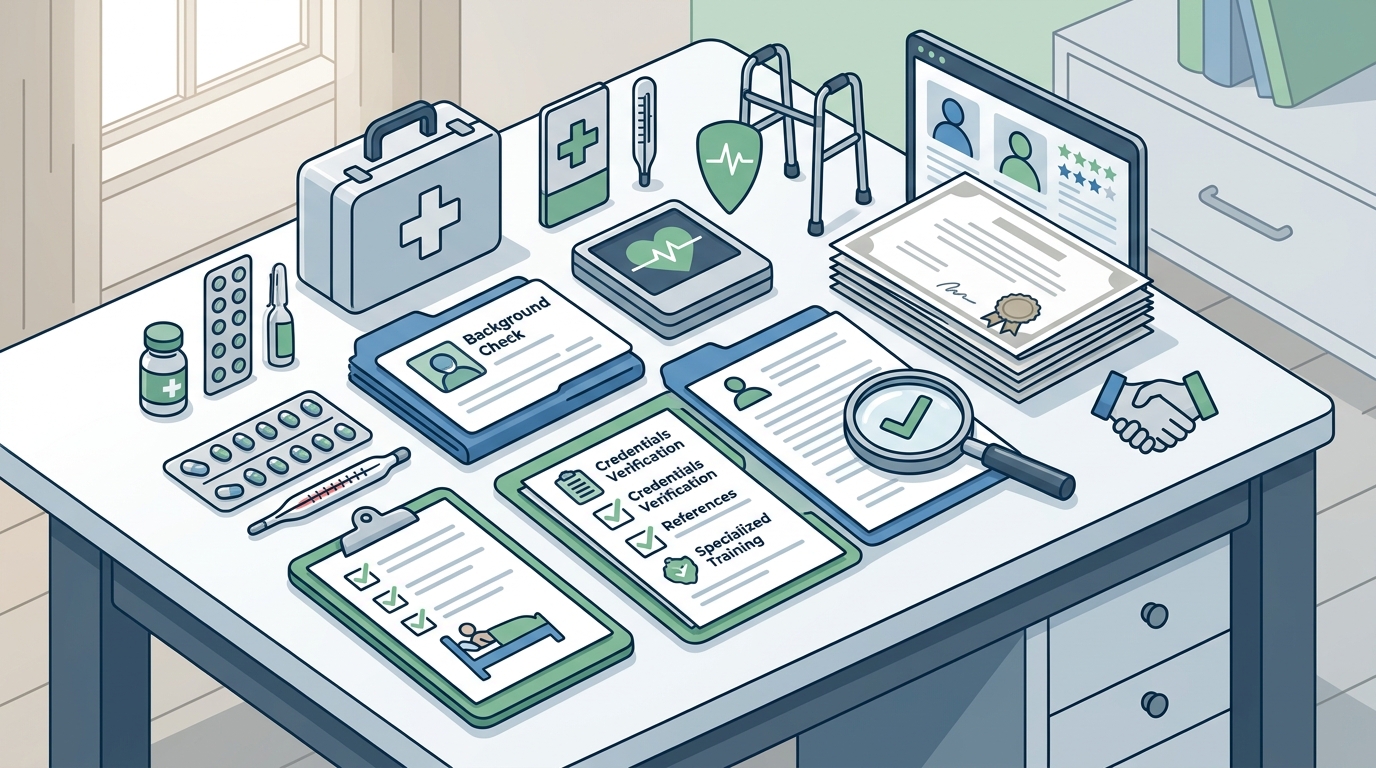
Vetting is a broader, multi-stage evaluation that assesses a caregiver's suitability for a specific role. Caregiver vetting is the systematic process of evaluating a candidate's skills, experience, and character to determine their fit for a job. While background checks focus on safety, vetting focuses on competence and compatibility. For post-surgery care, this means looking for caregivers who have experience with mobility issues, pain management support, and emotional reassurance.
Multi-Step Behavioral Interviews
Traditional agencies often rely on a single interview. In contrast, modern platforms like CareLinx utilize multi-step behavioral interviews. These interviews assess how a caregiver handles difficult situations, such as a patient refusing medication or experiencing a fall. The questions are designed to reveal problem-solving skills, empathy, and communication style. This approach helps predict how the caregiver will perform in real-world scenarios, which is crucial during the fragile post-surgery period.
Customizable Training Requirements
Vetting also includes verifying that caregivers have completed necessary training. CareLinx offers online classes through its CareAcademy, covering topics like communicating with older adults and managing difficult behaviors. Caregivers who complete these modules demonstrate a commitment to professional growth. Families can filter candidates based on specific training completions, ensuring the caregiver is equipped to handle the unique challenges of post-operative recovery.
Credential Verification and Training
Credential verification ensures that a caregiver's professional qualifications are legitimate and current. Credential verification is the process of confirming that a professional's licenses, certifications, and educational degrees are valid and in good standing. For non-medical caregivers, this may include certifications in CPR, First Aid, or specific home care training. For clinical professionals, such as Licensed Practical Nurses (LPNs) or Registered Nurses (RNs), it involves verifying state licenses.
Why Credentials Matter for Post-Surgery Care
While many post-surgery tasks are non-medical, the environment is clinical in nature. A caregiver with verified credentials in mobility assistance or fall prevention is better equipped to handle the physical demands of recovery. CareLinx allows families to view a caregiver's verified credentials on their profile. This transparency helps you distinguish between a casual helper and a trained professional. Additionally, the platform provides access to a diverse pool of healthcare professionals, including home health aides and certified nursing assistants, who can offer more specialized support if needed.
Comparing Care Options
Choosing between different types of care providers can be overwhelming. The table below summarizes the key differences between traditional agencies, technology-enabled platforms, and family caregivers in the context of post-surgery recovery.
| Feature | Traditional Agency | Technology-Enabled Platform (e.g., CareLinx) | Family/Friend Caregiver |
|---|---|---|---|
| Cost | High (includes agency markup) | Lower (direct hire, no markup) | Low (unpaid or stipend) |
| Vetting Process | Varies by agency | Standardized (background checks, interviews, training) | None (trust-based) |
| Flexibility | Fixed schedules, less choice | High choice, flexible scheduling | High flexibility, limited availability |
| Specialization | General home care | Filterable by skills (mobility, post-surgery) | Dependent on individual experience |
| Support | Agency manager | App-based communication, Care Advisors | Self-managed |
Key Takeaways
- Background checks are essential: Always verify that a caregiver has undergone comprehensive criminal and identity checks.
- Vetting goes beyond safety: Look for multi-step behavioral interviews that assess problem-solving and empathy.
- Verify credentials: Ensure that any professional licenses or certifications are current and valid.
- Technology saves money: Using a platform like CareLinx to hire directly can reduce costs by up to 50%.
- Filter for specialization: Choose caregivers with specific experience in mobility assistance and post-surgery support.
- Transparency matters: Use platforms that display verification statuses and training completions on caregiver profiles.
- Communication is key: Ensure the caregiver is comfortable using digital tools for scheduling and updates.
Frequently Asked Questions
What is the difference between a background check and a vetting process?
A background check focuses on safety, reviewing criminal history and identity. A vetting process is broader, including interviews, skill assessments, and credential verification to determine job fit.
How much does post-surgery in-home care cost?
Costs vary by location and provider. Using a technology-enabled platform like CareLinx to hire directly can save families up to 50% compared to traditional agencies.
Can a caregiver administer medication after surgery?
Non-medical caregivers can provide medication reminders but cannot administer prescription drugs. For medication administration, you may need a licensed professional such as an LPN or RN.
How long does the vetting process take?
On platforms like CareLinx, caregivers are pre-vetted, so you can hire quickly. The initial screening includes background checks and interviews, which are completed before the caregiver is listed.
What skills should I look for in a post-surgery caregiver?
Look for experience with mobility assistance, fall prevention, meal preparation, and emotional support. Caregivers with training in communicating with older adults or managing difficult behaviors are ideal.
Is CareLinx a medical agency?
CareLinx is a technology platform that connects families with non-medical and clinical caregivers. It does not employ caregivers but provides tools for vetting, hiring, and payment.
Conclusion
Post-surgery recovery is a critical time that demands careful planning and the right support. By understanding the importance of background checks, vetting processes, and credential verification, you can make an informed decision about who enters your home. CareLinx provides the tools to navigate this process with confidence, offering a transparent platform where you can review verified profiles and hire directly. Whether you need companionship, mobility assistance, or respite care, finding the right caregiver is the first step toward a successful recovery. To begin your search, find a caregiver on CareLinx and take control of your loved one's recovery journey.