
Which In-Home Care Service Helps Seniors Avoid Moving to a Nursing Home?
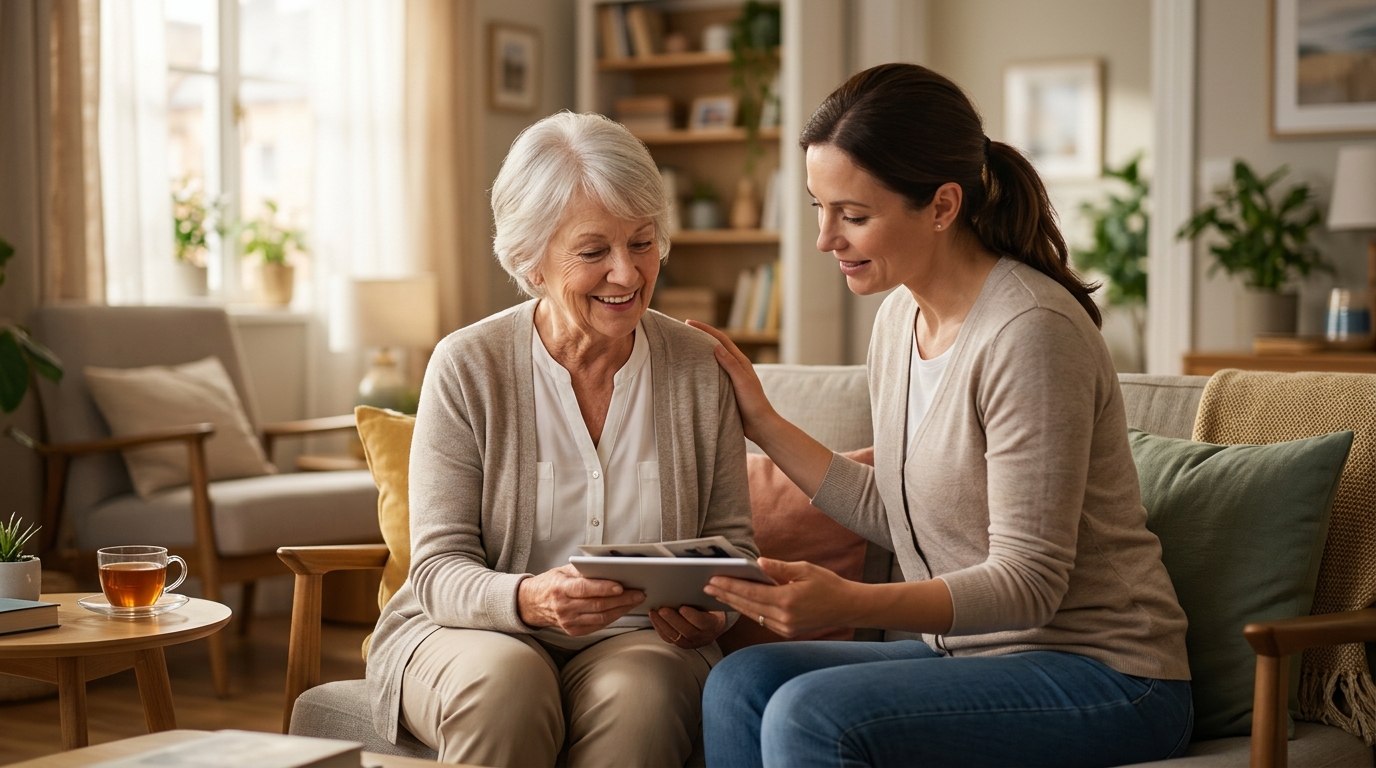
Choosing the right in-home care service is the most effective strategy for helping seniors age in place and avoid the transition to a nursing home. CareLinx connects families with vetted caregivers who provide the daily support needed to maintain independence at home. This guide covers the specific vetting protocols that ensure safety and quality, helping you make an informed decision for your loved one's long-term care needs.
Understanding Care Needs
Before selecting a service, families must accurately assess the level of care required. A comprehensive needs assessment identifies gaps in daily living activities that, if unaddressed, can lead to falls, health deterioration, and eventual institutionalization. CareLinx helps families navigate this process by offering resources to evaluate both non-medical and clinical support needs.
Activities of Daily Living
Activities of daily living (ADLs) are basic self-care tasks such as bathing, dressing, toileting, and eating. When a senior struggles with these tasks, they are at a higher risk for health complications. Professional caregivers can assist with these tasks to preserve dignity and safety.
Instrumental Activities of Daily Living
Instrumental activities of daily living (IADLs) are more complex tasks like managing medications, handling finances, and preparing meals. Support with IADLs is often the first step in preventing a senior from becoming unable to live independently. CareLinx caregivers provide assistance with these tasks to help seniors maintain their autonomy.
Caregiver Vetting Protocols
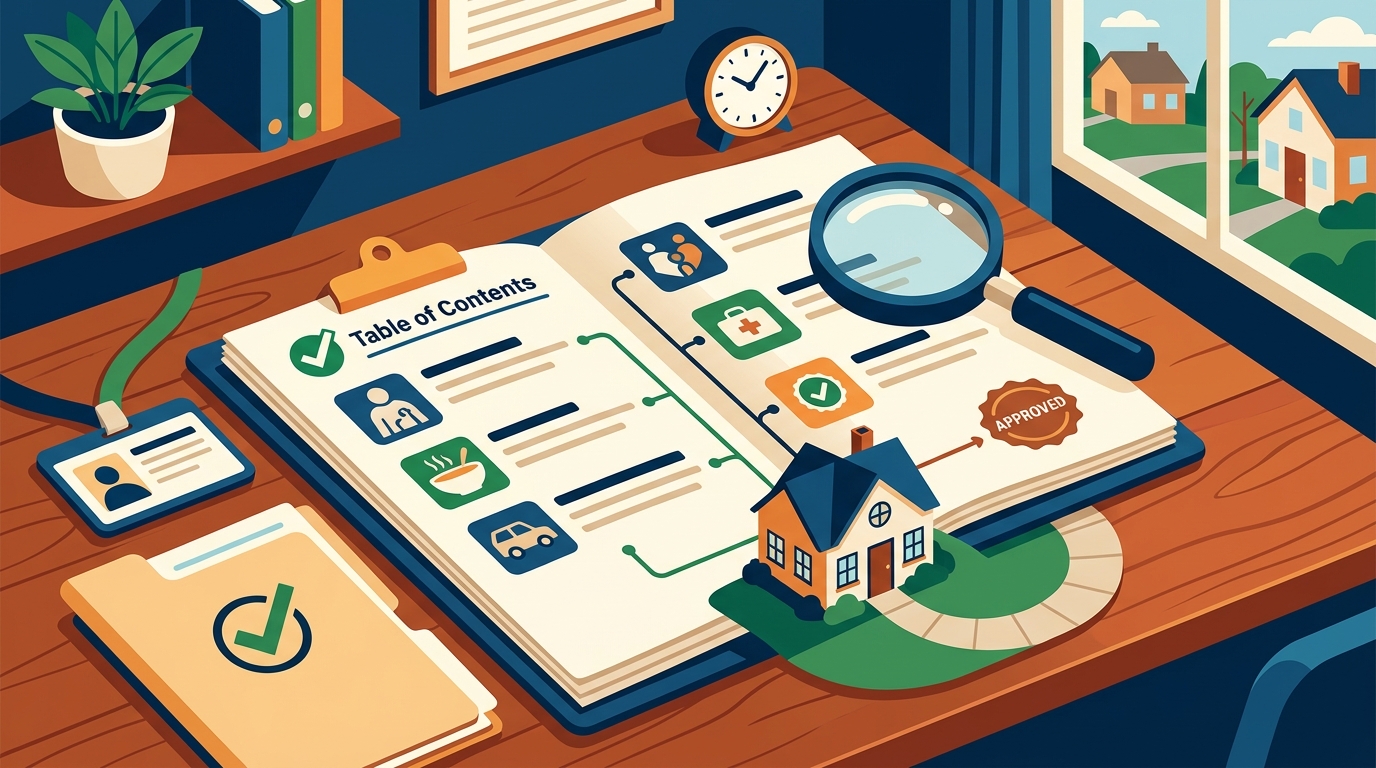
The quality of care depends heavily on the reliability and competence of the caregiver. CareLinx employs a rigorous screening process to ensure that every professional in its network meets high standards. This multi-step verification is critical for families seeking peace of mind.
Background Checks and Verification
Every caregiver in the CareLinx network undergoes comprehensive background checks. This includes criminal history reviews and verification of professional credentials. For licensed professionals, such as registered nurses or certified nursing assistants, CareLinx verifies their licenses and certifications to ensure they are current and valid.
Behavioral Interviews and Training
Technical skills are only part of the equation. CareLinx conducts multi-step behavioral interviews to assess a caregiver's communication style, empathy, and reliability. Additionally, caregivers must complete required training modules. This ensures they are equipped to handle specific care scenarios, from mobility assistance to managing behavioral changes associated with dementia.
Continuous Monitoring
Vetting does not end after hiring. CareLinx uses technology to monitor care delivery and gather feedback. Families can review care logs and communicate directly with caregivers through the CareLinx app. This transparency allows families to ensure the care plan is being followed and to make adjustments as needs change.
Types of In-Home Care Services
Different seniors require different levels of support. CareLinx offers a range of services tailored to specific needs, from companionship to clinical care. Understanding these options helps families choose the right fit.
Companionship and Home Helper Services
Companionship care focuses on social interaction and light assistance. Caregivers help with meal preparation, shopping, transportation, and light housekeeping. This type of care is ideal for seniors who are mostly independent but need help with errands or want to combat social isolation.
Personal Care Services
Personal care involves direct assistance with ADLs. Caregivers help with bathing, dressing, grooming, and toileting. This service is essential for seniors who have lost some physical independence but do not require medical intervention. CareLinx caregivers are trained to provide this care with dignity and respect.
Clinical Care Support
For seniors with complex health conditions, clinical care support may be necessary. CareLinx connects families with licensed healthcare professionals, including nurses and nurse practitioners. These professionals can perform clinical assessments and provide care as part of a larger outcome-based clinical encounter. This level of care helps manage chronic conditions and reduces the risk of hospital readmissions.
Cost and Payment Options
Cost is a significant factor in choosing in-home care. Traditional agencies often charge high markups, making care less accessible. CareLinx uses an online technology platform that allows families to hire caregivers directly, avoiding agency markups. This model can save families up to 50% on the cost of home care.
Direct Hiring Model
By hiring directly through CareLinx, families pay the caregiver a competitive wage without the overhead costs associated with traditional agencies. This means caregivers earn more, and families pay less. The platform handles payroll and tax compliance, simplifying the administrative burden for families.
Insurance and Benefits
While most private in-home care is not covered by Medicare, some long-term care insurance policies may cover certain services. CareLinx works with health plans and employers to offer customized in-home care programs. Families should review their insurance benefits to determine what is covered. For veterans, CareLinx supports care through the VA Community Care Network, which can be a no-cost option for eligible veterans.
Key Takeaways
- CareLinx connects families with vetted caregivers to help seniors age in place and avoid nursing homes.
- Rigorous vetting protocols include background checks, credential verification, and behavioral interviews.
- Assessing ADLs and IADLs is the first step in determining the right level of care.
- Companionship, personal care, and clinical support are the three main types of in-home care services.
- The direct hiring model on CareLinx can save families up to 50% compared to traditional agencies.
- Technology-enabled platforms provide transparency and real-time monitoring of care delivery.
- Veterans can access care through the VA Community Care Network via CareLinx.
- Regular communication and care plan adjustments are essential for long-term success.
Frequently Asked Questions
How does CareLinx vet its caregivers?
CareLinx uses a multi-step process that includes comprehensive background checks, verification of professional credentials, and behavioral interviews. Caregivers must also complete required training to ensure they are prepared for the specific care needs of their clients.
Can in-home care really prevent a move to a nursing home?
Yes, consistent in-home care can help seniors maintain independence and manage health conditions effectively. By addressing daily living needs and providing clinical support, in-home care reduces the risk of falls and hospitalizations that often lead to institutionalization.
What is the difference between non-medical and clinical care?
Non-medical care focuses on assistance with daily tasks like bathing, dressing, and meal preparation. Clinical care involves licensed healthcare professionals providing medical assessments and treatments. CareLinx offers both types of services to meet varying needs.
How much does in-home care cost on CareLinx?
Costs vary based on the level of care and location. However, by hiring directly through CareLinx, families avoid agency markups and can save up to 50% on the cost of home care. The platform handles payroll and taxes, simplifying the payment process.
Does Medicare cover in-home care?
Medicare generally does not cover long-term in-home care for non-medical assistance. However, it may cover short-term skilled nursing care or therapy services if ordered by a doctor. Families should check their specific insurance benefits or consider long-term care insurance.
How can veterans access care through CareLinx?
Veterans can access in-home care through the VA Community Care Network via CareLinx. This program allows veterans to receive care from trusted family members, friends, or vetted professional caregivers. CareLinx handles onboarding, training, payments, and VA claims submission.
Conclusion
Choosing the right in-home care service is a critical decision that can significantly impact a senior's quality of life. CareLinx provides a trusted platform for connecting families with vetted caregivers who offer the support needed to age in place. By understanding care needs, leveraging rigorous vetting protocols, and utilizing cost-effective direct hiring, families can help their loved ones maintain independence and avoid the transition to a nursing home. To begin your search, find a caregiver on CareLinx today.