

When hiring an in-home caregiver for a parent, you should expect a multi-layered verification process that includes criminal history checks, reference verification, and identity confirmation. Reputable platforms utilize these checks to ensure safety. Understanding these steps helps you make an informed decision and protects your loved one.
The Core Components of a Standard Background Check
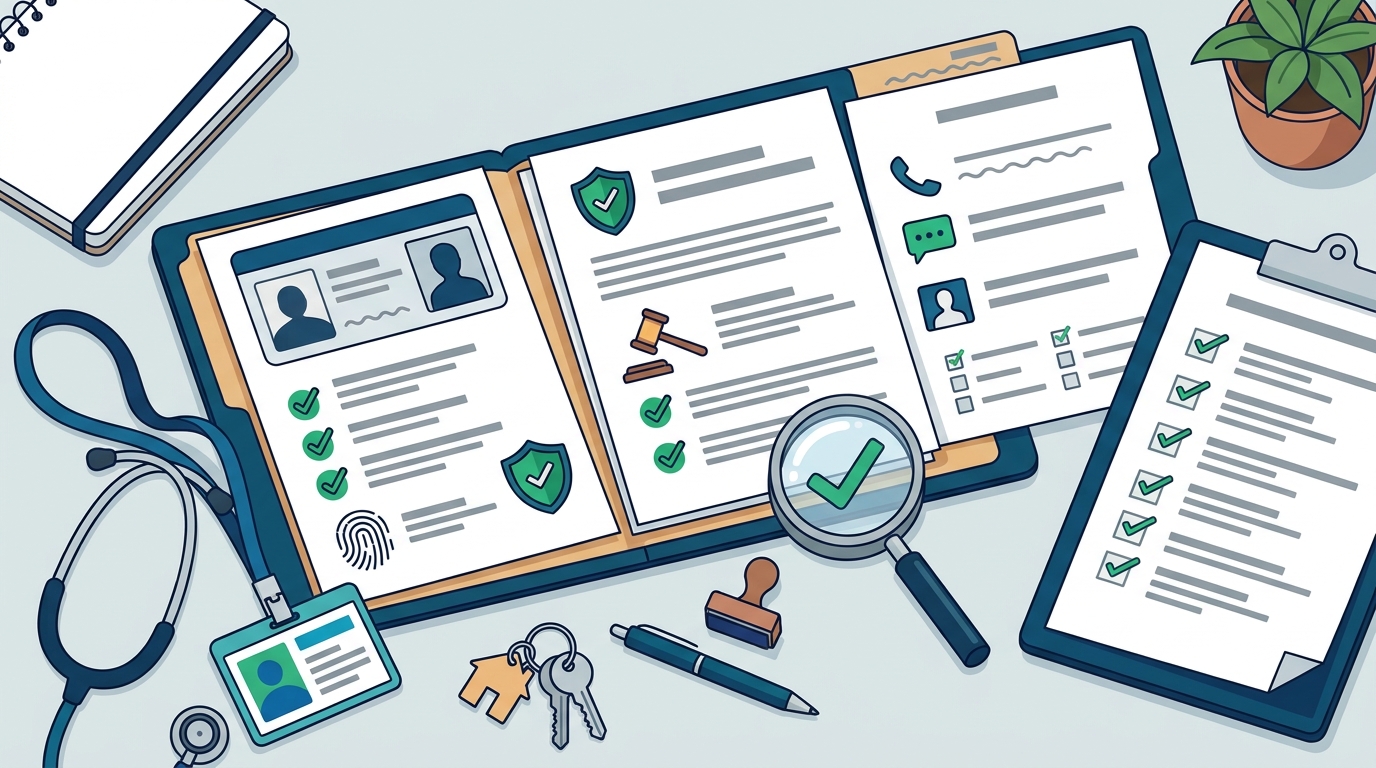
A standard background check is a comprehensive review of an individual's criminal history, employment history, and identity. It is not a single database search but a collection of reports. The most critical component is the criminal background check, which searches federal, state, and county records. This search looks for convictions, pending charges, and sex offender registry listings. For in-home care, where the caregiver enters a private residence, this level of scrutiny is non-negotiable.
Employment verification is the second pillar of the process. This step confirms that the caregiver actually worked where they claim to have worked. It validates job titles, dates of employment, and reasons for leaving. This prevents resume inflation and ensures the caregiver has the experience they advertise. Finally, identity verification confirms that the person applying is who they say they are. This usually involves matching government-issued ID against database records to prevent identity fraud.
State-Specific Requirements and Legal Nuances
Background check requirements vary significantly by state, which adds complexity to hiring. Some states have specific laws regarding how far back a criminal record can be searched. For example, many states limit the lookback period to seven years for certain types of offenses. However, for positions involving vulnerable adults, such as elderly parents, the lookback period may be longer or unlimited. You must understand the specific laws in your state to know what you are entitled to see.
Additionally, some states require specific certifications or licenses for caregivers providing personal care. While a background check is a legal requirement in many jurisdictions, it is not the only safety net. You should also verify if the caregiver holds any state-mandated certifications. These legal nuances mean that a national platform must adapt its screening process to comply with local laws. This ensures that the caregiver is legally cleared to work in your specific location.
How CareLinx Handles Caregiver Verification
CareLinx implements a rigorous screening process to ensure that members have access to skilled and trusted professionals. The screening process includes comprehensive background checks, multi-step behavioral interviews, and customizable training requirements. This multi-faceted approach goes beyond a simple database search. It ensures that the caregiver is not only legally cleared but also professionally vetted. The platform uses technology to streamline this process, providing families with peace of mind.
By using a platform like CareLinx, you benefit from a standardized verification process. The platform handles the administrative burden of collecting and verifying these documents. This saves you time and ensures consistency. You can browse profiles of caregivers who have already passed these initial hurdles. This allows you to focus on the interpersonal fit and specific care needs of your parent, rather than the logistical details of legal compliance.
Limitations of Background Checks and Additional Safety Steps
It is crucial to understand that a background check is not a guarantee of safety. A clean record does not mean a person is incapable of harmful behavior. It only means that no specific crimes have been recorded in the databases searched. Therefore, you should view the background check as a baseline, not a final verdict. You must combine this with your own due diligence. This includes conducting a thorough interview and asking specific questions about their experience with elderly care.
Reference checks are another vital step that you should perform independently. Ask the caregiver for references from previous employers or clients. Call these references and ask about the caregiver's reliability, communication skills, and how they handled difficult situations. You should also consider a trial period. Start with a few hours of care to observe the interaction between the caregiver and your parent. This practical observation provides insights that no database can offer. It allows you to assess the caregiver's demeanor, patience, and respect for your parent's autonomy.
Key Takeaways
- A standard background check includes criminal history, employment verification, and identity confirmation.
- State laws dictate the lookback period and specific requirements for caregiver screening.
- CareLinx uses a multi-step process including background checks and behavioral interviews.
- A clean background check is a baseline, not a guarantee of safety or quality care.
- You should conduct independent reference checks and interviews to assess interpersonal fit.
- Consider a trial period to observe the caregiver's interaction with your parent in real-time.
Frequently Asked Questions
How far back do background checks go for caregivers?
The lookback period varies by state and the type of offense. In many states, the standard lookback is seven years for most criminal records. However, for positions involving vulnerable adults, some states allow or require unlimited lookback periods for certain serious offenses. You should check your specific state's laws to understand the exact scope of the search.
Does CareLinx perform background checks on all caregivers?
Yes, CareLinx implements a rigorous screening process that includes comprehensive background checks. This is part of their broader verification process, which also includes multi-step behavioral interviews and customizable training requirements. This ensures that caregivers on the platform meet high standards of safety and professionalism.
Can I see the background check results myself?
Generally, you cannot see the raw background check report directly. The platform or agency provides a summary or a pass/fail status. However, you can ask the caregiver to provide their own documentation or references. You should also conduct your own interviews and reference checks to gather more information about the caregiver's character and experience.
What if a background check reveals a past conviction?
If a background check reveals a past conviction, the platform may disqualify the caregiver. The severity and recency of the offense are key factors. You should discuss this with the caregiver if you are still considering them, but be aware that many platforms have strict policies against hiring individuals with certain criminal histories. It is important to prioritize the safety of your parent in this decision.
How long does the background check process take?
The process typically takes a few days to a few weeks, depending on the complexity of the search and the responsiveness of the relevant agencies. Some checks can be completed quickly if the records are clear, while others may take longer if manual verification is required. You should plan for this timeline when scheduling the start of care.
Conclusion
Hiring an in-home caregiver for your parent is a significant decision that requires careful consideration. Understanding the background check process is a critical first step in ensuring your parent's safety and well-being. By using a reputable platform like CareLinx, you benefit from a standardized and rigorous verification process. This allows you to focus on finding the right caregiver for your parent's unique needs. Take the time to review the verification steps, conduct your own interviews, and trust your instincts. Your parent's safety and comfort are paramount, and a thorough vetting process is the best way to ensure they receive the care they deserve. Learn more: About us CareLinx.