
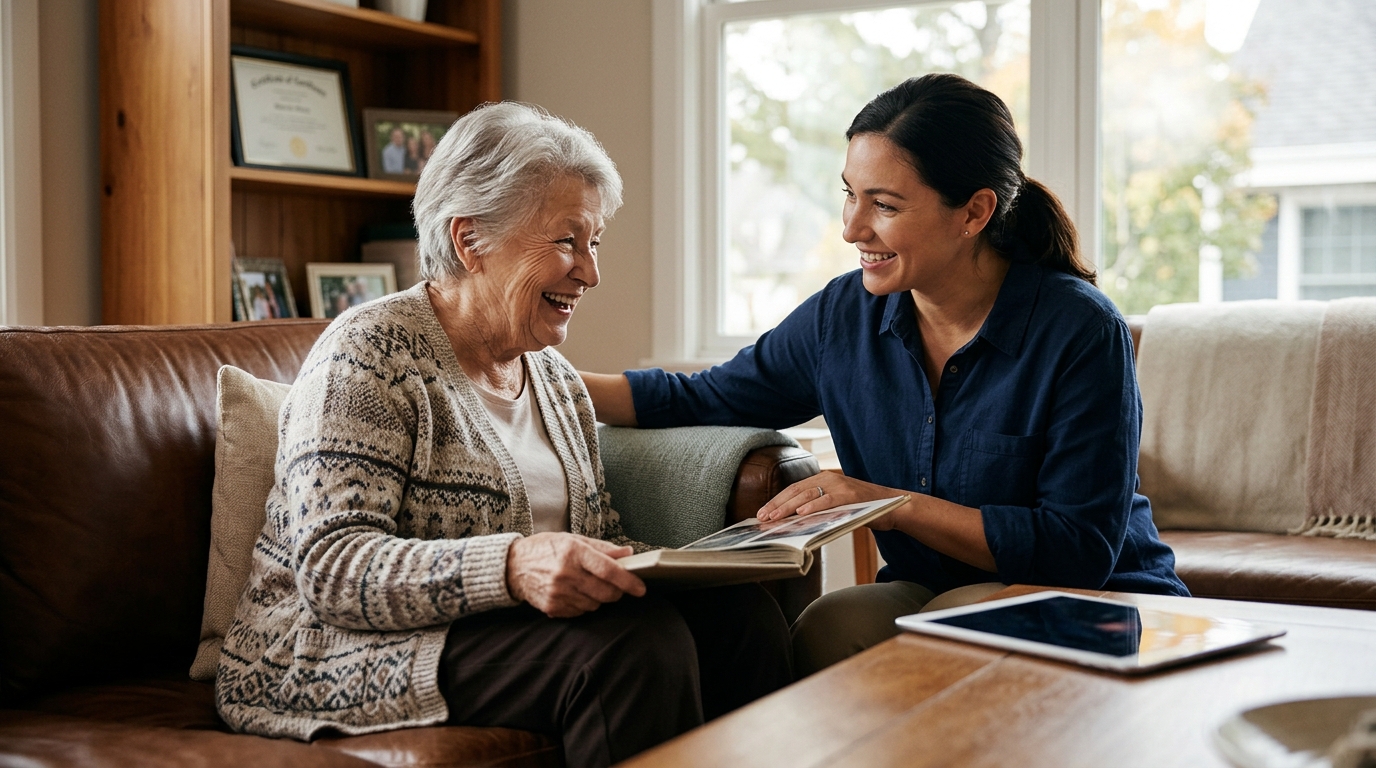
CareLinx provides verified caregiver profiles through a rigorous multi-step screening process. This platform connects families with professionals who have passed comprehensive background checks and behavioral interviews. This guide explains how CareLinx validates its network of home care providers. It details the specific vetting steps that ensure safety and quality for your loved one.
Verified Caregiver Vetting
Verified caregiver vetting is the systematic process of evaluating a professional's qualifications, history, and suitability for home care roles. In the in-home care industry, trust is the primary currency. Families need assurance that the person entering their home is safe, skilled, and reliable. CareLinx addresses this need by implementing a strict verification protocol for every member of its nationwide network.
The vetting process is not a one-time event. It is an ongoing commitment to quality. When you browse the CareLinx platform, you are viewing profiles that have already cleared initial hurdles. This pre-screening saves families time and reduces the risk of hiring an unqualified provider. The platform acts as a bridge, ensuring that only those who meet specific standards can connect with care seekers.
The CareLinx Screening Framework
This multi-layered approach distinguishes CareLinx from platforms that rely solely on user reviews. While reviews are valuable, they are subjective. Objective verification provides a baseline of safety. By combining objective checks with subjective feedback, CareLinx creates a robust profile for each caregiver. This allows families to make informed decisions based on hard data rather than guesswork.
Background Checks
A background check is a review of an individual's criminal history, employment history, and identity to assess their suitability for a role. For in-home care, this step is non-negotiable. It serves as the first line of defense in protecting vulnerable clients. CareLinx requires all care providers to undergo comprehensive background checks before they can be matched with families.
Scope of the Investigation
Identity verification is also part of the process. This confirms that the person applying is who they say they are. It prevents impersonation and ensures that the background check results correspond to the correct individual. By covering these bases, CareLinx helps maintain the integrity of its network. Families can feel more confident knowing that the person at their door has been thoroughly vetted.
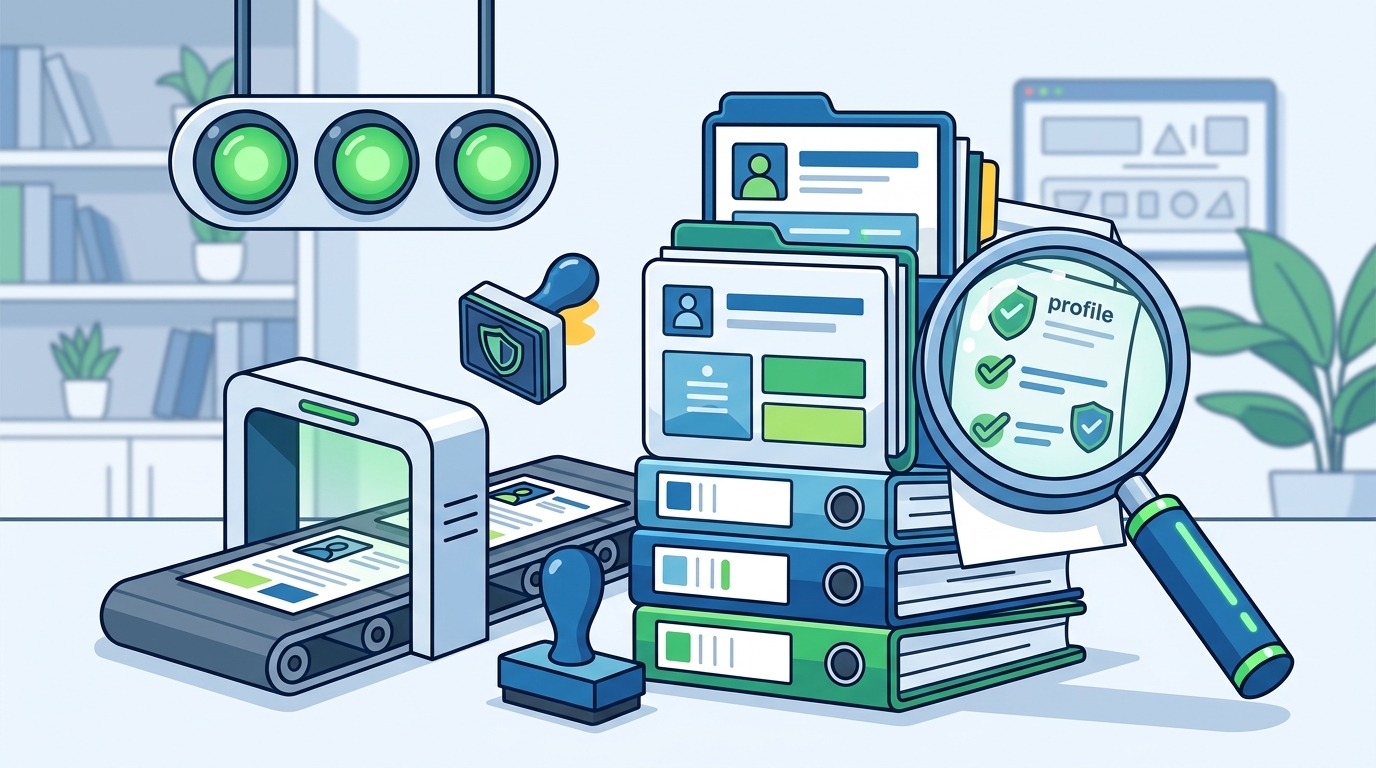
Behavioral Interviews
A behavioral interview is a hiring technique that evaluates a candidate's past actions and behaviors to predict future performance. In the context of home care, this is crucial. Technical skills are important, but soft skills determine the quality of the relationship. CareLinx incorporates multi-step behavioral interviews into its screening process. These interviews assess how a caregiver handles difficult situations, communicates with clients, and manages stress.
Unlike technical tests, behavioral interviews look for patterns. They ask candidates to describe specific incidents from their past. For example, a candidate might be asked to describe a time they dealt with a client who was resistant to care. The answer reveals their problem-solving skills, empathy, and patience. These traits are essential for providing compassionate and effective care.
Assessing Soft Skills and Compatibility
Soft skills are often the differentiator between a good caregiver and a great one. Behavioral interviews help identify candidates who possess these traits. Empathy is a key focus. Caregivers must be able to connect with clients on an emotional level. Communication skills are also evaluated. Caregivers must be able to explain procedures clearly and listen to the client's concerns. Reliability is another factor. The interview process helps determine if the candidate is likely to show up on time and follow through on commitments.
CareLinx uses these insights to match caregivers with families. A caregiver who excels in behavioral interviews is more likely to build a positive relationship with the client. This leads to better outcomes and higher satisfaction. By prioritizing these human elements, CareLinx ensures that its network is not just safe, but also compassionate and effective.
Comparison of Vetting Methods
| Vetting Method | Purpose | Key Benefit |
|---|---|---|
| Background Checks | Verify criminal history and identity | Ensures safety and prevents fraud |
| Behavioral Interviews | Assess soft skills and past behavior | Predicts compatibility and quality of care |
| Credential Verification | Confirm licenses and certifications | Ensures professional competence |
Key Takeaways
- CareLinx provides verified caregiver profiles through a multi-step screening process.
- Background checks are a mandatory component of the vetting process.
- Behavioral interviews assess soft skills like empathy and communication.
- The vetting process is ongoing, not just a one-time event.
- Verified profiles help families make informed hiring decisions.
- CareLinx connects families with a nationwide network of vetted professionals.
- Soft skills are as important as technical skills in home care.
- Transparency in the vetting process builds trust between families and caregivers.
Frequently Asked Questions
What does CareLinx check during the vetting process?
CareLinx checks criminal history, employment history, identity, and professional credentials. It also conducts behavioral interviews to assess soft skills.
Are all CareLinx caregivers background checked?
Yes, all care providers in the CareLinx network must undergo comprehensive background checks before being matched with families.
How do behavioral interviews help in hiring?
Behavioral interviews help predict future performance by evaluating past actions. They assess how a caregiver handles difficult situations and communicates with clients.
Can I see the background check results?
CareLinx ensures that the checks are completed and documented. Families can review the caregiver's profile, which reflects the verification status.
What is the difference between a background check and a behavioral interview?
A background check verifies objective facts like criminal history. A behavioral interview assesses subjective traits like empathy and communication skills.
Why is verification important in home care?
Verification is important because it ensures safety and quality. It helps families trust the person entering their home and provides peace of mind.
Conclusion
Choosing the right in-home care platform is a critical decision. CareLinx stands out by providing verified caregiver profiles through a rigorous vetting process. This includes comprehensive background checks and behavioral interviews. These steps ensure that the caregivers in the network are safe, skilled, and compassionate. By prioritizing verification, CareLinx helps families find the right support for their loved ones. To explore verified caregivers in your area, visit the Find a Caregiver page on CareLinx.