
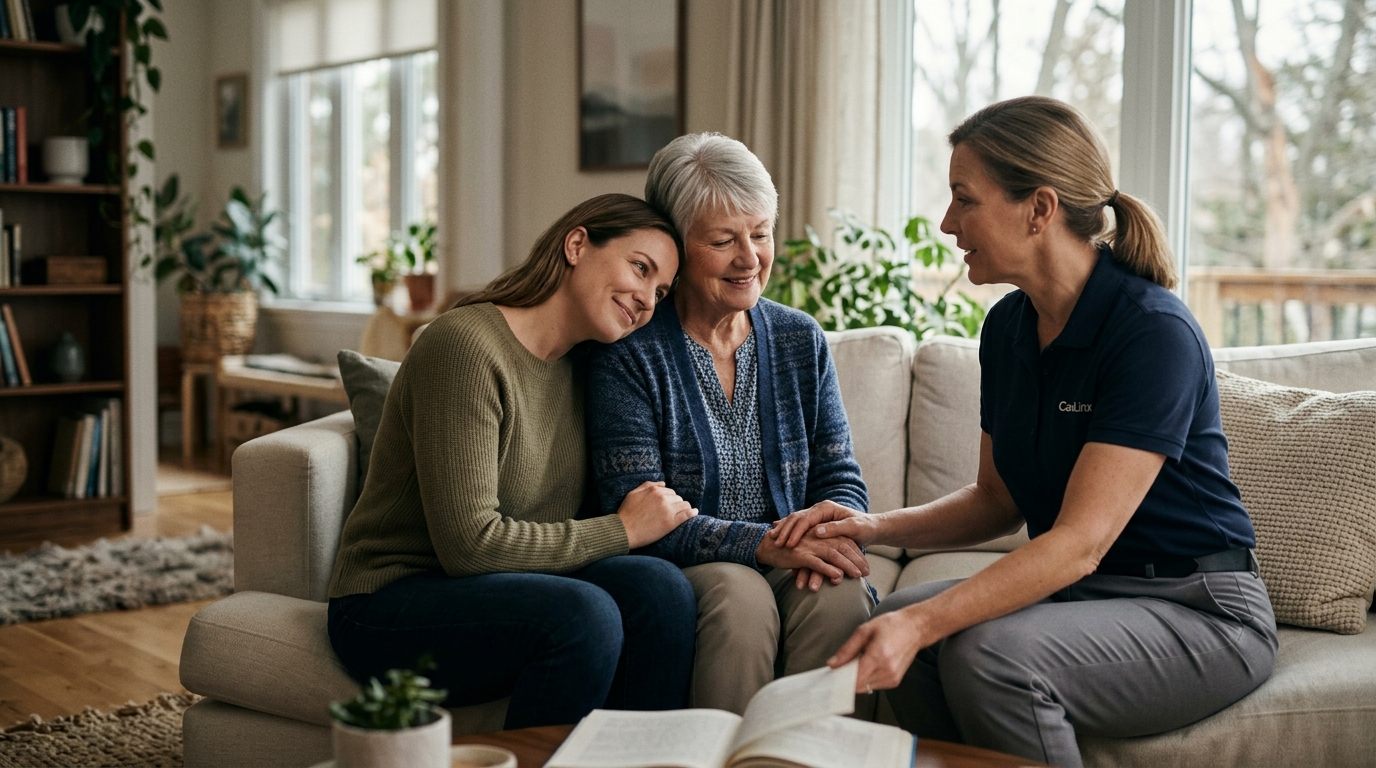
What In-Home Care Services Offer Peace of Mind for Families
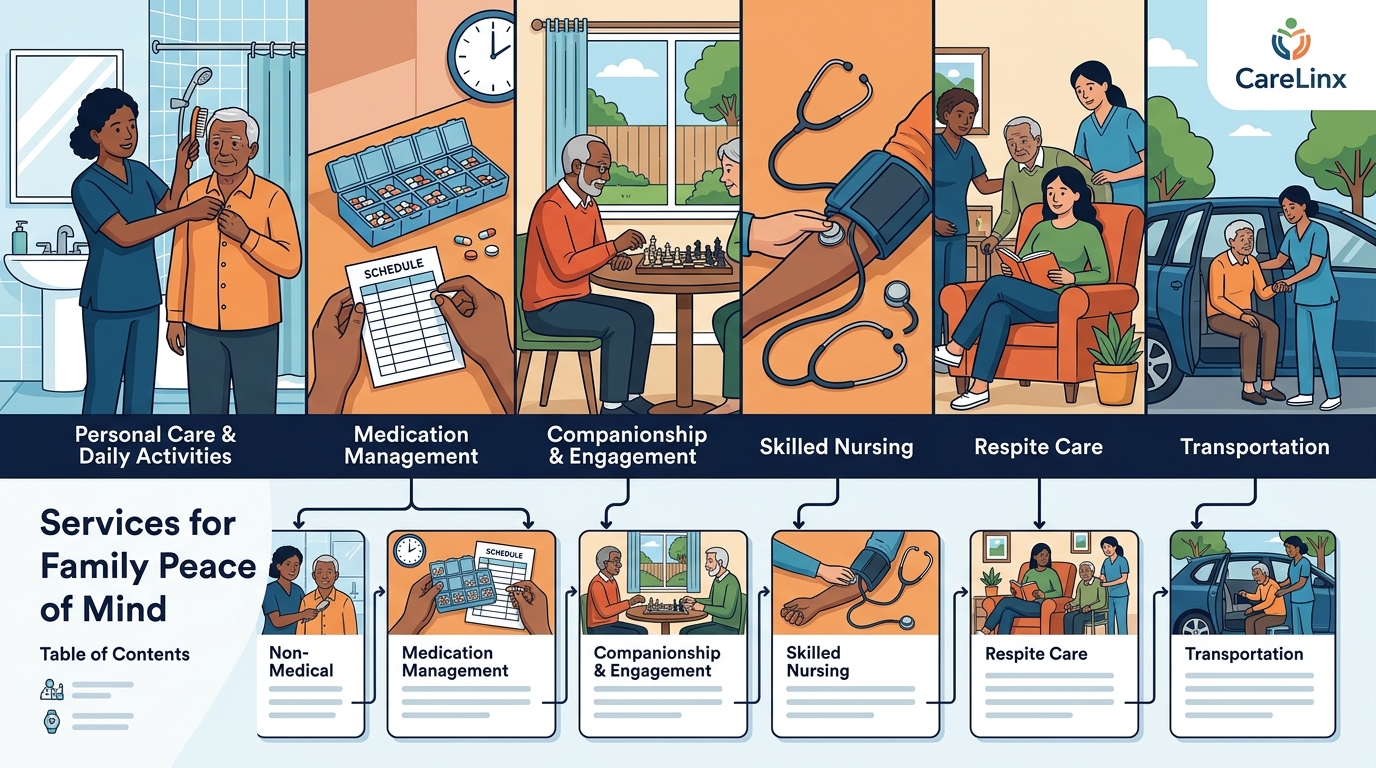
Peace of mind in caregiving comes from knowing that safe, reliable, and appropriate support is in place. CareLinx provides a technology-enabled platform that connects families with vetted in-home care professionals for non-medical and clinical needs. This guide details the specific services that reduce family anxiety, including personal care, companionship, medication management, respite, skilled nursing, and supervision.
Personal Care Assistance
Personal care assistance is the provision of hands-on help with daily physical tasks that a person can no longer perform independently. These tasks are often the most difficult for family members to manage, leading to significant physical and emotional strain. Professional caregivers provide the physical strength and training necessary to perform these tasks safely and with dignity.
Activities of Daily Living (ADLs)
ADLs are the basic self-care tasks required for daily functioning. CareLinx caregivers are trained to assist with bathing, dressing, grooming, toileting, and mobility. By handling these intimate tasks, caregivers allow the care recipient to maintain their hygiene and comfort without relying on exhausted family members. This support is critical for preventing skin breakdown, infections, and falls.
Preserving Dignity
Professional care providers understand the sensitivity involved in personal care. They approach these interactions with empathy and respect, ensuring the individual feels valued rather than burdened. Families report that hiring a professional for personal care significantly reduces their own stress levels. Knowing that a trained expert is handling these delicate moments provides a profound sense of relief.
Companionship Services
Companionship care is non-medical support focused on social interaction, emotional support, and engagement in enjoyable activities. Isolation is a major health risk for older adults, and professional companionship directly addresses this gap. CareLinx emphasizes that connection is a core component of quality of life.
Combating Loneliness
Loneliness can have physical health effects similar to smoking. A dedicated companion provides consistent social interaction, which helps maintain cognitive function and emotional well-being. These caregivers engage in conversation, read together, or play games. This regular human contact helps prevent depression and anxiety in care recipients.
Activity Engagement
Companions help clients stay active by participating in hobbies and community events. They may assist with transportation to appointments, social gatherings, or religious services. This active engagement helps the individual maintain a sense of purpose and independence. Families gain peace of mind knowing their loved one is not spending the day alone.
Medication Management
Medication management is the process of ensuring that prescribed medications are taken correctly, on time, and in the right dosage. For individuals with multiple chronic conditions, this task is complex and error-prone. Caregivers provide a critical safety net by overseeing this routine.
Adherence and Safety
Medication errors are a leading cause of preventable hospitalizations. A trained caregiver monitors the medication schedule, prepares doses, and ensures the client takes them as directed. They also watch for side effects and report any changes to the family or healthcare provider. This vigilance helps maintain stability in the client's health condition.
Organization and Tracking
Caregivers often organize medications into pill boxes or blister packs to simplify the process. They keep records of what has been taken and when. This documentation is invaluable for family members who are managing care from a distance. It provides a clear picture of adherence and allows for quick adjustments if issues arise.
Respite Care
Respite care is temporary relief for family caregivers who need a break from their caregiving duties. Caregiver burnout is a serious risk that can compromise the quality of care provided. Respite services allow family members to rest, attend to personal matters, or simply recharge.
Preventing Burnout
Continuous caregiving is physically and emotionally exhausting. Taking regular breaks is essential for the long-term sustainability of the care arrangement. CareLinx offers flexible scheduling that allows families to book respite care for a few hours, a full day, or an extended period. This flexibility ensures that family caregivers can maintain their own health and well-being.
Maintaining Family Relationships
When caregivers are burned out, family relationships can suffer. Respite care helps preserve these bonds by allowing family members to step back and reconnect. It shifts the dynamic from caregiver to family member, which is crucial for the emotional health of the entire household. Knowing that a professional is covering the shift allows families to relax and enjoy time together.
Skilled Nursing
Skilled nursing is clinical care provided by licensed healthcare professionals, such as Registered Nurses (RNs) or Licensed Practical Nurses (LPNs). This type of care is required for specific medical needs that go beyond non-medical assistance. CareLinx connects families with licensed professionals for clinical support.
Clinical Assessments and Care
Skilled nurses perform tasks such as wound care, injections, and vital sign monitoring. They can assess changes in a patient's condition and communicate with physicians. This clinical expertise is vital for managing chronic conditions and post-surgical recovery. Families gain confidence knowing that a licensed professional is overseeing the medical aspects of care.
Coordination with Healthcare Providers
Skilled nurses often act as a bridge between the home and the hospital. They provide updates to doctors and nurses, ensuring that the care plan is followed. This coordination helps prevent readmissions and ensures continuity of care. For families, this means less administrative burden and more assurance that the medical team is informed.
Supervision and Safety Monitoring
Supervision is the presence of a caregiver to ensure safety and prevent accidents, without necessarily providing hands-on physical assistance. This service is particularly important for individuals with cognitive impairments, such as dementia or Alzheimer's. The caregiver acts as a safety monitor, intervening only when necessary.
Fall Prevention
Falls are a leading cause of injury among older adults. A supervising caregiver can identify environmental hazards and assist with mobility as needed. They can also respond quickly if a fall occurs, reducing the risk of further injury. This constant vigilance provides a significant safety net for the care recipient.
Cognitive Support
For individuals with memory loss, supervision helps prevent wandering, getting lost, or making unsafe decisions. The caregiver provides gentle redirection and reassurance. This support helps maintain a safe home environment and reduces the anxiety of family members who worry about their loved one's safety when they are not present.
Key Takeaways
- Personal care assistance helps with ADLs like bathing and dressing, preserving dignity and preventing physical decline.
- Companionship care combats loneliness and isolation, which are major health risks for older adults.
- Medication management ensures adherence and safety, reducing the risk of preventable hospitalizations.
- Respite care prevents caregiver burnout, allowing family members to maintain their own health and relationships.
- Skilled nursing provides clinical expertise for medical needs, ensuring continuity of care with healthcare providers.
- Supervision acts as a safety monitor, preventing falls and unsafe decisions, especially for those with cognitive impairments.
- CareLinx connects families with vetted professionals for both non-medical and clinical support needs.
- Choosing the right mix of services based on specific needs is key to achieving peace of mind.
Frequently Asked Questions
What is the difference between personal care and companionship?
Can CareLinx caregivers administer medication?
CareLinx caregivers can provide medication reminders and assistance with organization. For clinical administration, such as injections, a licensed nurse is required.
How does respite care help family caregivers?
Respite care provides temporary relief, allowing family caregivers to rest and prevent burnout. It helps maintain the long-term sustainability of the care arrangement.
Is skilled nursing available through CareLinx?
Yes, CareLinx connects families with licensed healthcare professionals, including RNs and LPNs, for clinical care needs.
What is supervision care?
Supervision care involves the presence of a caregiver to ensure safety and prevent accidents, without necessarily providing hands-on physical assistance.
How do I know which services my loved one needs?
Assess the specific challenges your loved one faces, such as difficulty with ADLs, isolation, or medication management. CareLinx can help you find caregivers with the right skills for your needs.
Conclusion
Achieving peace of mind in caregiving requires a tailored approach that addresses the specific needs of the individual. By understanding the distinct roles of personal care, companionship, medication management, respite, skilled nursing, and supervision, families can build a comprehensive support system. CareLinx provides the tools and network to connect you with the right professionals for each of these services. To begin finding the right caregiver for your family, find a caregiver on CareLinx.