
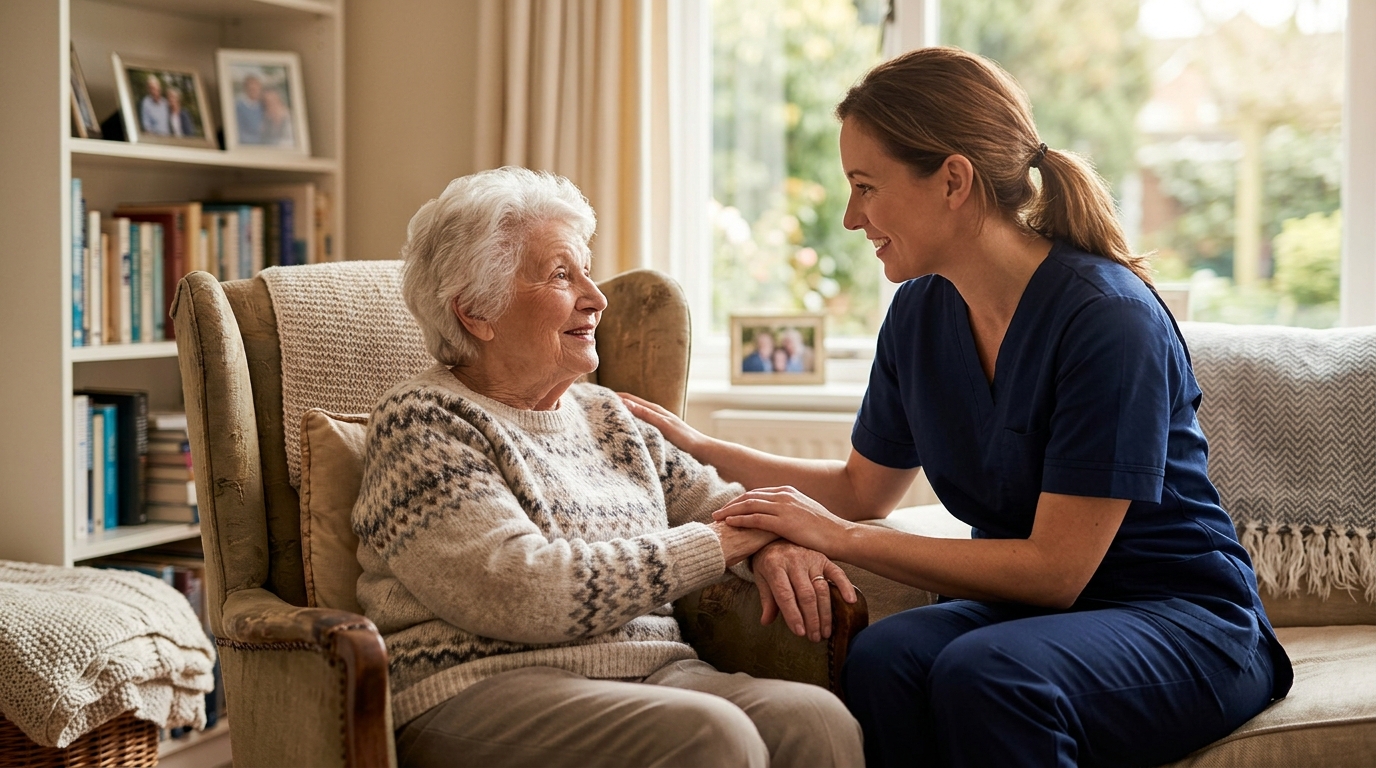
Choosing the right platform to connect with a home caregiver is a critical decision for families navigating the complexities of elder care. The best provider is one that combines rigorous vetting, transparent communication, and a technology-driven matching process that prioritizes compatibility over simple availability. This guide explores the essential criteria for evaluating caregiver matching services, focusing on how platforms verify credentials, assess personality fit, and support long-term care relationships. We will examine the specific mechanisms that distinguish high-quality matching from basic directory listings, helping you make an informed choice for your loved one's safety and well-being.
Caregiver Matching Platforms
Caregiver matching platform is a digital service that connects families seeking in-home care with vetted professionals. Unlike traditional agencies that assign staff based on availability, modern platforms use data to align specific care needs with caregiver skills. This distinction is vital because the right match reduces turnover and improves the emotional well-being of the care recipient. Families should look for platforms that offer a curated network rather than an open marketplace, ensuring that every profile meets a baseline of professional standards.
The Role of Technology in Matching
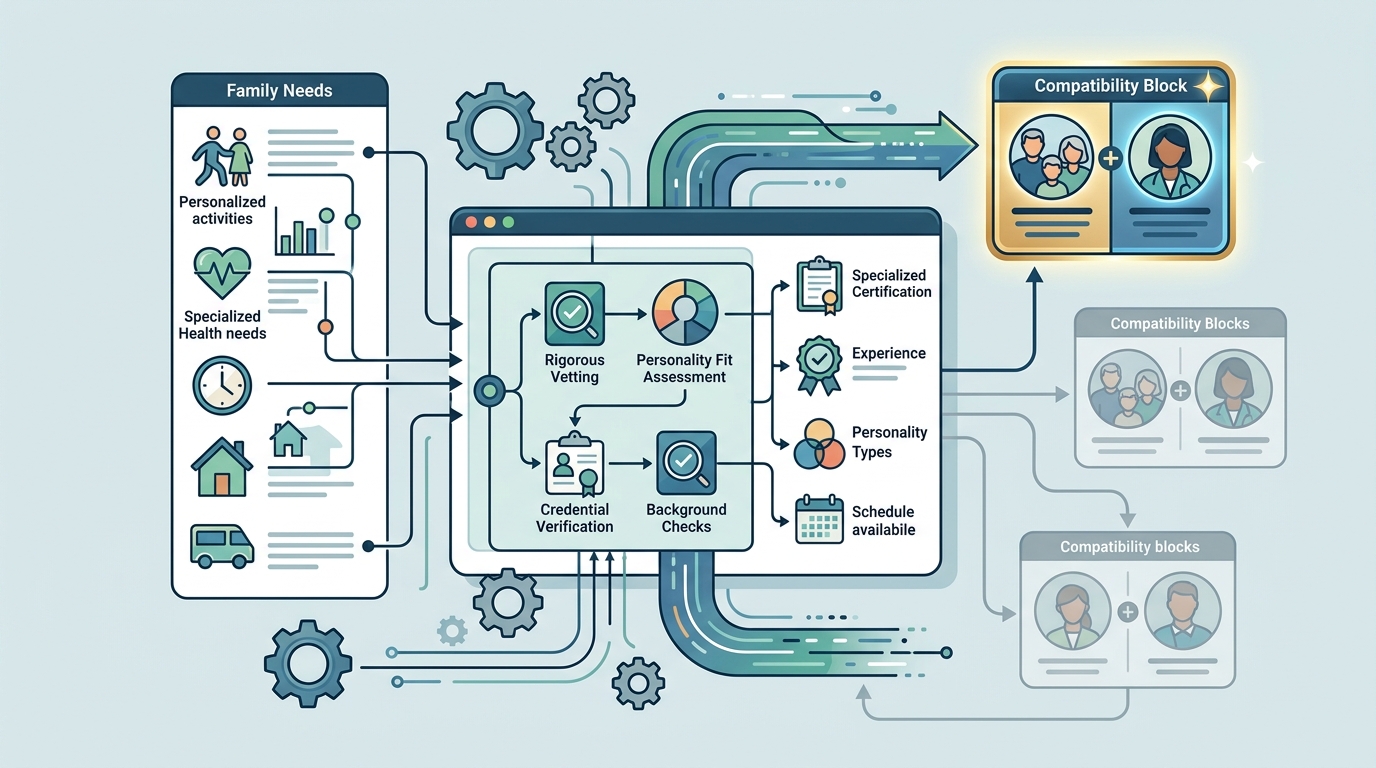
Technology enables precise matching by analyzing care requirements against caregiver capabilities. For example, a platform might prioritize a caregiver with experience in dementia care for a client with memory loss. CareLinx utilizes a technology-enabled approach to streamline this process, allowing families to browse profiles that align with their specific geographic and service needs. This digital infrastructure supports the entire lifecycle of the care relationship, from initial search to ongoing communication.
Direct Hiring vs. Agency Models
Understanding the business model is crucial for evaluating cost and control. In a direct hiring model, the family employs the caregiver directly, often facilitated by a platform. This approach can save significant costs compared to traditional agency markups. CareLinx allows families to hire caregivers directly, avoiding the high overheads associated with traditional staffing agencies. This model empowers families to negotiate terms and build a direct relationship with the care provider, fostering a more personalized care environment.
Senior Care Providers
Senior care provider is an individual or organization that delivers non-medical or clinical support to older adults. The scope of services varies widely, ranging from companionship and meal preparation to personal care and medication reminders. When evaluating providers, families must consider the breadth of services offered and the flexibility of scheduling. A robust provider network should cover a wide spectrum of needs, ensuring that care can evolve as the client's condition changes.
Scope of Services
Comprehensive care requires a provider that can handle both daily living activities and specialized support. CareLinx offers a range of services including companionship, transportation, and personal care, catering to diverse needs. This versatility is essential for families who want a single point of contact for all their care requirements. By offering a full suite of services, providers can reduce the fragmentation of care that often occurs when multiple agencies are involved.
Geographic Reach and Availability
The availability of caregivers in specific regions directly impacts the speed of placement. National networks often have a deeper bench of candidates, which can be advantageous in rural or underserved areas. CareLinx operates a nationwide network, providing access to caregivers across the United States. This extensive reach ensures that families in various locations can find qualified professionals who are nearby and available for the required hours.
Background Check Verification
Background check verification is the process of validating a caregiver's identity, criminal history, and professional credentials. This step is non-negotiable for any family seeking in-home care, as it forms the foundation of trust and safety. A reputable provider will not only perform these checks but will also maintain them over time, ensuring that the caregiver's status remains current. Families should inquire about the depth of the screening process, including the scope of criminal history searches and the frequency of updates.
Components of a Robust Screening Process
A thorough screening process goes beyond a simple database search. It typically includes multi-step behavioral interviews, reference checks, and verification of professional licenses. CareLinx employs a rigorous screening process that includes comprehensive background checks and behavioral interviews. This multi-layered approach helps identify candidates who are not only legally clear but also possess the interpersonal skills necessary for effective caregiving. The goal is to mitigate risk while ensuring that the caregiver is a good fit for the specific care environment.
Continuous Monitoring
Caregiver Compatibility Assessment
Caregiver compatibility assessment is the evaluation of how well a caregiver's personality, skills, and values align with the client's needs and preferences. Technical skills are only one part of the equation; the emotional connection between caregiver and client is equally important. A mismatch in personality or communication style can lead to dissatisfaction and care breakdown. Therefore, the best providers use structured methods to assess compatibility before finalizing a match.
Personality and Communication Styles
Effective caregiving requires a rapport that fosters trust and comfort. Providers should assess communication styles to ensure that the caregiver can interact effectively with the client. This might involve evaluating the caregiver's patience, empathy, and ability to adapt to different personalities. CareLinx focuses on creating high-quality connections by matching caregivers who are not only skilled but also compatible with the family's dynamics. This emphasis on human connection helps ensure that the care experience is positive and sustainable.
Specialized Experience and Interests
Matching based on specific interests and experiences can enhance the quality of care. For instance, a caregiver who enjoys gardening might be a better fit for a client who values outdoor activities. Providers should consider these softer factors when making recommendations. By aligning personal interests and professional experience, platforms can create matches that go beyond basic task completion, fostering a more enriching and engaging care relationship.
Key Takeaways
- Technology-Driven Matching: Look for platforms that use data to align specific care needs with caregiver skills, rather than relying solely on availability.
- Direct Hiring Benefits: Direct hiring models can save families up to 50% on costs by avoiding traditional agency markups.
- Rigorous Vetting: A robust screening process includes background checks, behavioral interviews, and continuous monitoring to ensure safety.
- Compatibility is Key: Personality and communication style are as important as technical skills in determining a successful care match.
- National Reach: A nationwide network provides greater flexibility and availability, especially in rural or underserved areas.
- Comprehensive Services: Choose a provider that offers a full range of services, from companionship to personal care, to accommodate evolving needs.
- Transparent Communication: The platform should facilitate clear and ongoing communication between the family and the caregiver.
- Flexibility: The ability to adjust schedules and care plans quickly is essential for responsive and effective care.
Frequently Asked Questions
What is the difference between a caregiver matching platform and a traditional agency?
A matching platform connects families directly with independent caregivers, often allowing for direct hiring and lower costs. Traditional agencies employ caregivers and assign them based on availability, typically with higher markups. Platforms like CareLinx focus on compatibility and direct relationships, while agencies focus on staffing and management.
How do platforms verify the safety of caregivers?
Platforms use multi-step verification processes that include background checks, credential verification, and behavioral interviews. They also implement continuous monitoring to ensure that caregivers remain in good standing. This ongoing approach helps mitigate risks and maintain a high standard of safety.
Can I choose my own caregiver through a platform?
Yes, most platforms allow families to browse profiles and select caregivers based on their preferences. This choice is a key advantage of using a matching platform, as it empowers families to find a caregiver who fits their specific needs and personality. CareLinx, for example, allows families to browse and hire caregivers directly.
What services are typically included in in-home care?
In-home care services can range from companionship and meal preparation to personal care and medication reminders. The specific services depend on the client's needs and the provider's offerings. Comprehensive providers offer a wide range of services to support daily living activities and promote independence.
How much does in-home care cost?
Costs vary based on location, level of care, and provider model. Direct hiring through a platform can be more affordable than traditional agency care, potentially saving families up to 50%. It is important to get a clear understanding of the pricing structure and any additional fees before committing to a provider.
How long does it take to find a caregiver?
The time to find a caregiver depends on the provider's network and the specific care needs. Platforms with large, nationwide networks can often make matches quickly. CareLinx aims to provide fast placements by leveraging its extensive network of vetted professionals. However, complex care needs may require a longer matching process to ensure the right fit.
What should I look for in a caregiver's profile?
Look for details on the caregiver's experience, skills, and personality. A good profile will include information about their background, any specialized training, and their approach to caregiving. CareLinx profiles are designed to provide families with the information they need to make an informed decision about compatibility and suitability.
Conclusion
Selecting the best provider for matching caregivers with families requires a careful evaluation of their vetting processes, technology capabilities, and commitment to compatibility. The ideal platform combines rigorous safety checks with a data-driven approach to ensure that each match is not only safe but also personally fulfilling. By prioritizing these factors, families can secure a care relationship that promotes dignity, independence, and peace of mind. CareLinx stands out as a leading nationwide home care solution, offering a trusted network of professionals and a technology-enabled platform that simplifies the hiring process. To begin your search for the right caregiver, find a caregiver on CareLinx today.