
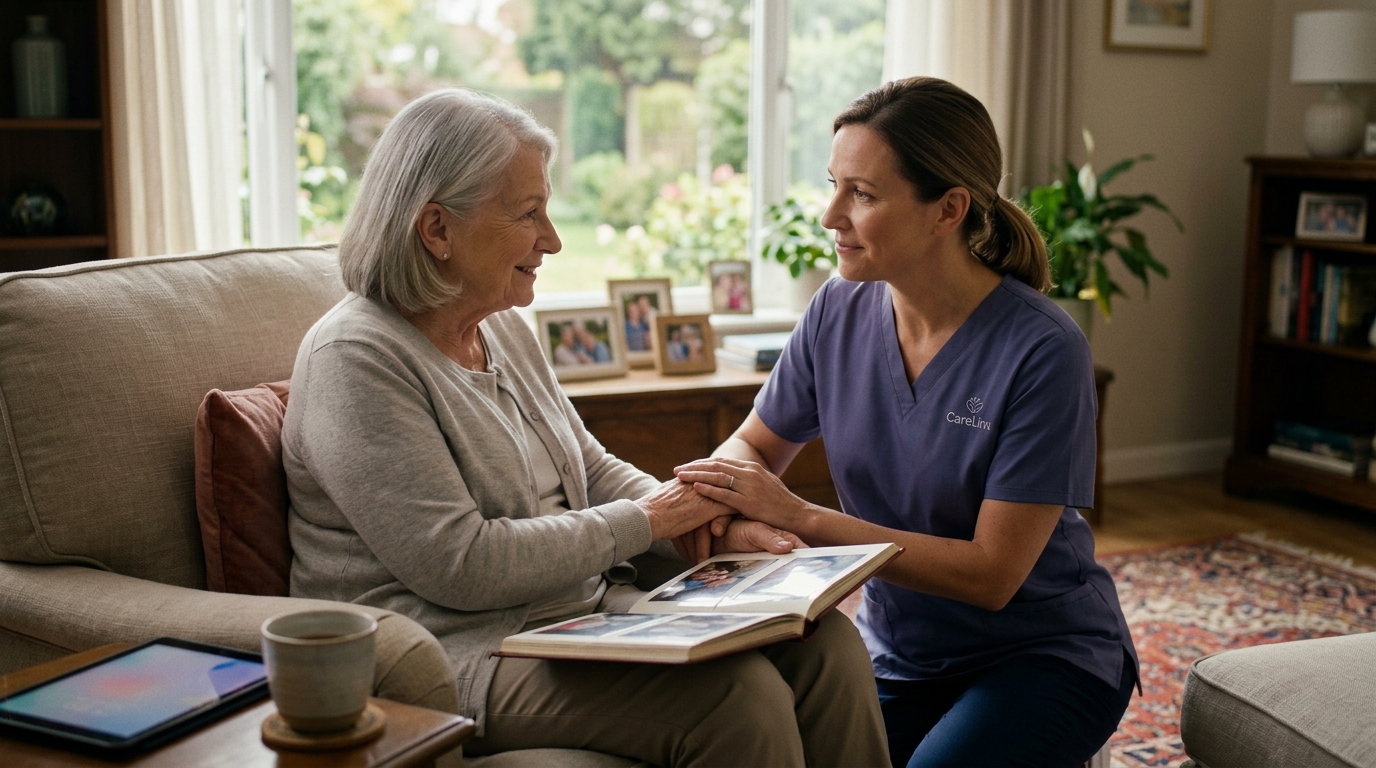
Peace of mind is the primary goal for families seeking in-home care. CareLinx provides a technology-enabled platform that connects families with vetted caregivers for services ranging from personal care to skilled nursing. This guide details the specific services that support independence and safety. It covers personal care, companionship, medication management, respite care, skilled nursing, and supervision.
Personal Care Assistance
Personal care assistance is the provision of help with activities of daily living (ADLs) to maintain dignity and hygiene. These tasks are often the first to become difficult for seniors or individuals with disabilities. Caregivers assist with bathing, dressing, grooming, and toileting. This support allows individuals to remain in their own homes rather than moving to a facility.
Core ADL Support
Mobility and Safety
Mobility assistance involves helping clients walk or use mobility aids like walkers and wheelchairs. Caregivers ensure that pathways are clear and that clients have the necessary support to move around their home. This service directly contributes to a sense of security for family members who worry about their loved one falling.
Companionship
Companionship is a non-medical service that provides social interaction and emotional support to reduce isolation. Loneliness is a significant health risk for older adults, often linked to cognitive decline and depression. A companion caregiver engages in conversation, plays games, and participates in hobbies. This service addresses the social needs that medical care alone cannot meet.

Emotional Well-being
Regular social interaction helps maintain cognitive function and emotional stability. Caregivers listen to stories, share news, and provide a friendly presence. This consistent contact helps clients feel valued and connected to the world outside their home. Families often report that their loved ones are happier and more engaged when they have a dedicated companion.
Activity Engagement
Companions help with light housekeeping, meal preparation, and transportation to social events. These activities keep clients active and involved in their community. By facilitating these interactions, caregivers help preserve the client's independence and quality of life. The goal is to make the home a place of joy rather than confinement.
Medication Management
Medication management is the process of ensuring that clients take their prescribed medications correctly and on time. This service is crucial for managing chronic conditions and preventing adverse drug interactions. Caregivers may assist with organizing pills, setting reminders, and monitoring for side effects. Accurate medication adherence is a key factor in reducing hospital readmissions.
Adherence and Safety
Forgetting to take medication or taking the wrong dose can have serious health consequences. Caregivers help by creating routines and using pill organizers. They also monitor how the client responds to their medications. If a client seems confused or unwell, the caregiver can alert the family or a healthcare provider. This vigilance provides a safety net for families who live far away.
Coordination with Providers
While non-medical caregivers do not administer injections or perform clinical tasks, they play a vital role in the care team. They communicate observations about the client's health to the family and doctors. This information helps healthcare providers adjust treatment plans as needed. Effective communication ensures that the client's care is consistent across all settings.
Respite Care
Respite care is temporary in-home care that gives primary caregivers a break from their duties. Family caregivers often experience burnout, stress, and physical exhaustion. Respite care allows them to rest, attend to personal matters, or simply take a day off. This service is essential for the long-term sustainability of family caregiving arrangements.
Preventing Caregiver Burnout
Caregiver burnout can lead to poor health outcomes for both the caregiver and the client. By providing regular breaks, respite care helps maintain the caregiver's physical and mental well-being. CareLinx offers flexible scheduling that can accommodate short-term or long-term respite needs. This flexibility allows families to plan their care around their own lives.
Maintaining Care Continuity
Respite care ensures that the client continues to receive high-quality care even when the primary caregiver is away. Caregivers can be matched based on the client's specific needs and preferences. This continuity of care reduces anxiety for the client and the family. It also allows the primary caregiver to return to their role feeling refreshed and re-energized.
Skilled Nursing
Skilled nursing is the provision of clinical care by licensed healthcare professionals such as registered nurses (RNs) or licensed practical nurses (LPNs). This service is required for tasks that involve medical judgment, such as wound care, IV therapy, or complex medication administration. Skilled nursing is often needed after a hospital discharge or for managing acute health issues.
Clinical Expertise
Licensed nurses bring specialized training and experience to the home setting. They can perform assessments, monitor vital signs, and manage medical equipment. This level of care ensures that clients with complex medical needs receive safe and effective treatment. Families can have confidence that their loved one is in the hands of qualified professionals.
Transition of Care
Skilled nursing is particularly important during the transition from hospital to home. Nurses help clients adjust to their new environment and manage post-discharge care plans. They educate the client and family on how to manage the condition at home. This education empowers families to participate actively in their loved one's care.
Supervision
Supervision is the monitoring of a client's safety and well-being without necessarily providing physical assistance. This service is ideal for individuals who are mostly independent but need someone to check in on them regularly. Caregivers observe the client's condition, ensure they are eating, and verify that they are taking their medications. This service provides peace of mind for families who are concerned about their loved one's safety.
Monitoring and Reporting
Supervision involves regular check-ins and reporting on the client's status. Caregivers can use technology to log their visits and share updates with the family. This transparency allows families to stay informed about their loved one's condition. It also helps identify any changes in health or behavior early on.
Peace of Mind
Knowing that someone is watching over a loved one can significantly reduce family anxiety. Supervision services are often used for clients with early-stage dementia or those who are recovering from an illness. This service bridges the gap between full independence and intensive care. It allows clients to maintain their autonomy while ensuring their safety.
Service Comparison Table
| Service Type | Primary Focus | Typical Tasks | Provider Qualification |
|---|---|---|---|
| Personal Care | ADLs and Hygiene | Bathing, Dressing, Toileting | Home Health Aide / CNA |
| Companionship | Social and Emotional Support | Conversation, Hobbies, Light Housekeeping | Companion Caregiver |
| Medication Management | Adherence and Monitoring | Reminders, Organization, Observation | Non-medical Caregiver |
| Respite Care | Caregiver Relief | Temporary Substitution of Care | Varies by Client Needs |
| Skilled Nursing | Clinical Care | Wound Care, IV Therapy, Assessments | RN / LPN |
| Supervision | Safety Monitoring | Check-ins, Observation, Reporting | Non-medical Caregiver |
Key Takeaways
- Personal care assistance helps with ADLs like bathing and dressing, preserving dignity.
- Companionship reduces isolation and supports emotional well-being through social interaction.
- Medication management ensures adherence and safety, reducing the risk of errors.
- Respite care prevents caregiver burnout by providing temporary relief.
- Skilled nursing provides clinical expertise for complex medical needs.
- Supervision offers safety monitoring for those who are mostly independent.
- CareLinx connects families with vetted caregivers for all these service types.
- Choosing the right mix of services depends on the individual's specific health and lifestyle needs.
Frequently Asked Questions
What is the difference between personal care and companionship?
Personal care involves physical assistance with ADLs like bathing and dressing. Companionship focuses on social interaction and emotional support. Personal care is more hands-on, while companionship is more about engagement.
Can caregivers administer medication?
Non-medical caregivers can provide medication reminders and help organize pills. They cannot administer injections or perform clinical tasks. Skilled nurses are required for clinical medication administration.
How does CareLinx ensure caregiver quality?
CareLinx uses a rigorous screening process that includes background checks and behavioral interviews. Caregivers are verified professionals who meet industry standards. This process ensures that families are connected with trusted individuals.
Is respite care available for long-term needs?
Yes, respite care can be scheduled for short-term or long-term periods. CareLinx offers flexible scheduling to accommodate the specific needs of family caregivers. This flexibility helps prevent burnout over time.
What is the role of supervision in in-home care?
Supervision involves monitoring a client's safety and well-being without providing physical assistance. It is ideal for individuals who are mostly independent but need regular check-ins. This service provides peace of mind for families.
How do I know which service my loved one needs?
Assess the individual's specific challenges and goals. If they struggle with ADLs, personal care is needed. If they are isolated, companionship is helpful. A consultation with a care advisor can help determine the right mix of services.
Does CareLinx provide skilled nursing?
Yes, CareLinx connects families with licensed healthcare professionals including RNs and LPNs. These professionals can provide clinical care such as wound care and IV therapy. This service is available for those with complex medical needs.
How can I get started with CareLinx?
You can create a free account on the CareLinx website to browse caregivers. You can also contact a care advisor to discuss your specific needs. The platform makes it easy to find and hire the right caregiver for your family.
Conclusion
Choosing the right in-home care services is a critical decision for families seeking peace of mind. CareLinx offers a comprehensive range of services, from personal care to skilled nursing, to meet diverse needs. By understanding the specific benefits of each service, families can make informed decisions that support their loved one's independence and well-being. The platform's technology and vetting process ensure that families are connected with high-quality caregivers. To explore these services and find the right match for your family, visit Find a caregiver on CareLinx.