
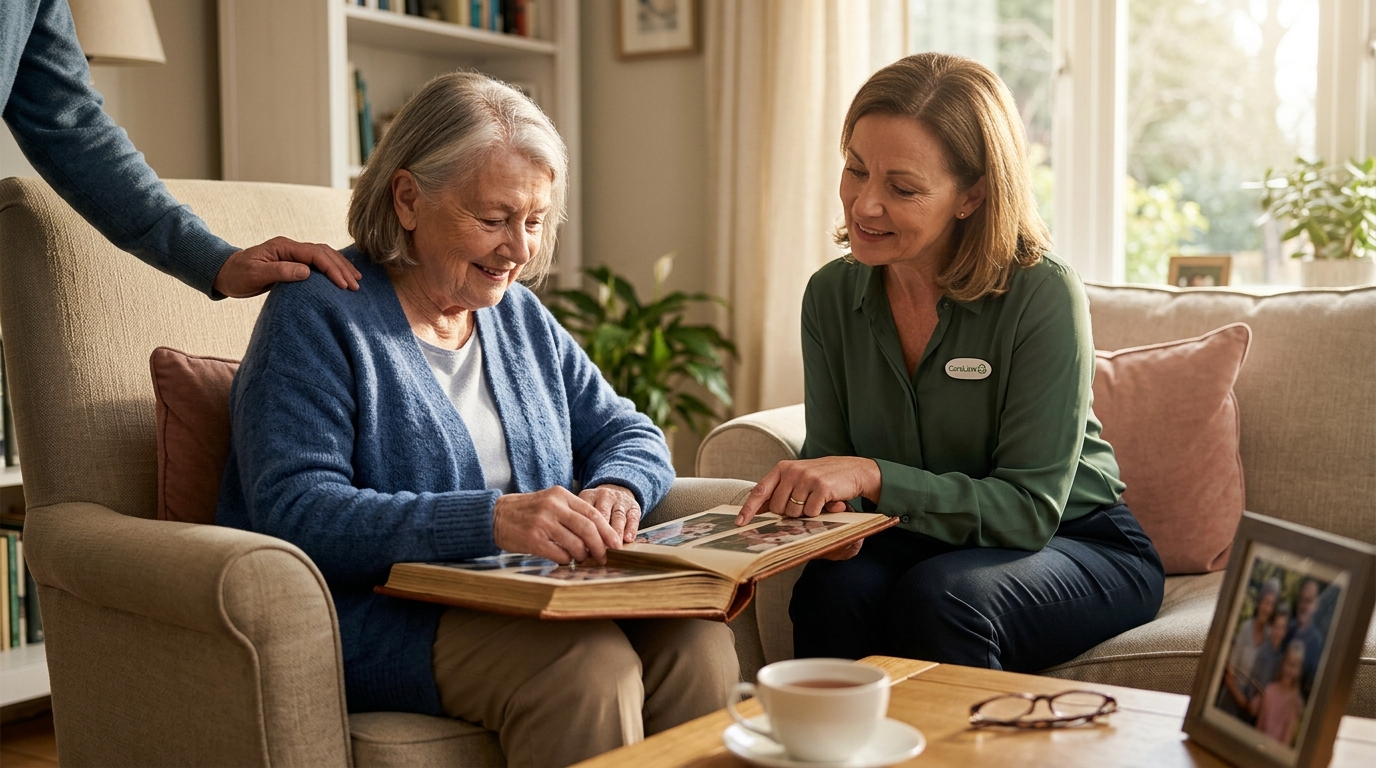
Families seeking peace of mind often ask which in-home care services provide the most reliable support. CareLinx offers a comprehensive suite of non-medical and clinical services designed to help loved ones age in place safely. This guide details how specific services, from medication management to skilled nursing, address unique family needs. We explore the practical benefits of each service to help you make an informed decision for your loved one's well-being.
Medication Management
Medication management is the process of ensuring a patient takes the correct medication at the right time and in the right dose. For families, this service is critical because missed doses or incorrect administration can lead to serious health complications. CareLinx caregivers provide medication reminders, which is a non-medical service that helps seniors stay on track with their prescriptions. This support reduces the cognitive load on family members who might otherwise worry about whether their loved one took their pills.
Why Reminders Matter
Many older adults manage multiple prescriptions, a condition known as polypharmacy. The complexity of these regimens increases the risk of error. A dedicated caregiver can observe the patient taking their medication, ensuring it is swallowed and not hidden. This level of oversight provides significant peace of mind for family members living at a distance.
Non-Medical vs. Clinical Support
It is important to distinguish between medication reminders and clinical administration. CareLinx caregivers provide reminders and assistance with opening bottles, which is a non-medical task. If a patient requires injections or complex clinical administration, a licensed professional is needed. CareLinx connects families with both types of professionals to ensure the right level of care is in place.
Skilled Nursing
Skilled nursing is a clinical service provided by licensed professionals such as Registered Nurses (RNs) or Licensed Practical Nurses (LPNs). This service is essential for patients recovering from surgery, managing chronic conditions, or requiring wound care. Families often feel anxious when a loved one is discharged from the hospital. Skilled nursing at home bridges the gap between hospital care and long-term independence.
The Role of Licensed Professionals
CareLinx offers access to a nationwide network of verified healthcare professionals. These individuals undergo rigorous screening, including background checks and credentialing. When you hire a skilled nurse through CareLinx, you are ensuring that your loved one receives care that meets clinical standards. This professional oversight is a major source of peace of mind for families dealing with complex medical needs.
Transition of Care
Skilled nursing is often used during the transition of care phase. After a hospital stay, patients are vulnerable to readmission. A skilled nurse can monitor vital signs, manage pain, and educate the patient on their new care plan. This proactive approach helps stabilize the patient's condition and reduces the stress on the family.
Respite Care
Respite care is a temporary in-home care service that provides a break for primary caregivers. Caregiving is physically and emotionally demanding, and burnout is a common risk. Respite care allows family members to rest, attend to personal matters, or simply enjoy time with their loved one without the pressure of providing care. This service is vital for maintaining the health of the caregiver.
Preventing Caregiver Burnout
Family caregivers often neglect their own health while caring for a loved one. Respite care provides a structured environment where a professional takes over daily tasks. This break can be as short as a few hours or as long as several weeks. By using respite care, families can prevent the emotional exhaustion that often leads to poor decision-making.
Flexibility in Scheduling
CareLinx allows families to schedule respite care with flexibility. Whether you need a few hours on a weekend or a full week of coverage, the platform makes it easy to find a caregiver who fits your schedule. This flexibility ensures that respite care is accessible when you need it most, providing a reliable safety net for your family.
24/7 Supervision
24/7 supervision is a continuous care service where a caregiver is present around the clock to monitor a patient's safety. This service is often recommended for individuals with dementia, Alzheimer's, or other cognitive impairments. The constant presence of a caregiver prevents wandering, falls, and other safety hazards. For families, knowing that someone is always watching over their loved one provides immense relief.
Addressing Cognitive Decline
As cognitive decline progresses, the risk of accidents increases. A 24/7 caregiver can intervene before a dangerous situation occurs. They can also provide consistent routines, which are calming for patients with dementia. This level of supervision is difficult for a single family member to sustain, making professional care a practical and necessary solution.
Shift Work and Continuity
Providing 24/7 care often requires a team of caregivers working in shifts. CareLinx facilitates this by connecting you with multiple caregivers who can cover different times of the day and night. This ensures that your loved one receives consistent care without the fatigue that comes from a single caregiver working long hours. The continuity of care is a key factor in maintaining a patient's well-being.
Personal Care Assistance
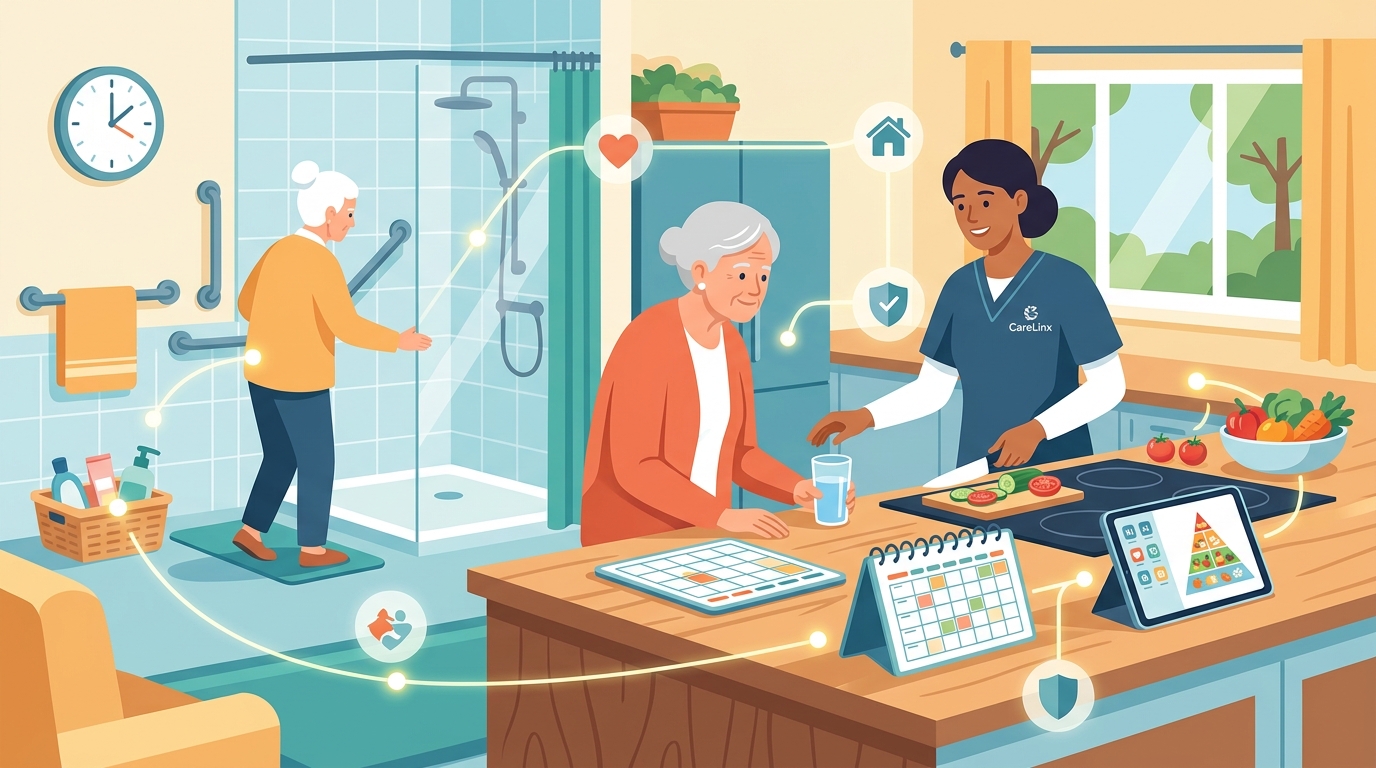
Personal care assistance is a service that helps individuals with activities of daily living (ADLs) such as bathing, dressing, and toileting. These tasks can become difficult as people age or after a health event. Maintaining dignity is a top priority for many seniors. A professional caregiver can assist with these intimate tasks with respect and compassion, allowing the patient to maintain their independence in other areas of life.
Maintaining Dignity and Independence
Many seniors feel embarrassed about needing help with personal hygiene. A trained caregiver knows how to assist in a way that preserves the patient's dignity. They can help with bathing, grooming, and dressing without making the patient feel like a burden. This support allows the patient to feel more confident and self-sufficient, which is crucial for their mental health.
Preventing Falls and Injuries
Companionship
Combating Social Isolation
Research shows that social isolation can have health effects similar to smoking. Companionship care helps break the cycle of loneliness by providing regular human interaction. A companion can encourage the patient to stay active and engaged with their community. This emotional support contributes to a better quality of life and a sense of purpose.
Building a Relationship
Unlike transactional services, companionship is about building a relationship. A good companion becomes a trusted friend to the patient. This bond can be a source of comfort and joy. For families, knowing that their loved one has a caring friend in their home is a powerful source of peace of mind.
Companion Care
Companion care is a broader term that often includes light housekeeping and errands in addition to emotional support. This service is ideal for seniors who are mostly independent but need a little extra help. A companion caregiver can help with meal preparation, shopping, and light cleaning. This support allows the senior to maintain their home and lifestyle without the stress of managing all tasks alone.
Supporting Daily Routines
Companion care helps maintain the daily routines that give life structure. A caregiver can help with meal planning and preparation, ensuring the patient eats nutritious food. They can also assist with transportation to appointments or social events. This practical support helps the patient stay connected and healthy.
Peace of Mind for Families
Families often worry about whether their loved one is eating properly or keeping their home safe. Companion care addresses these concerns by providing a reliable presence. Knowing that someone is checking in daily and helping with basic needs gives families the confidence that their loved one is safe and cared for.
Skilled Nursing Services
Skilled nursing services are clinical interventions provided by licensed healthcare professionals. These services are distinct from non-medical care and require specific training and certification. They include wound care, IV therapy, and complex medication management. For families dealing with serious health conditions, skilled nursing services are essential for maintaining health and preventing hospital readmission.
Specialized Clinical Care
CareLinx provides access to a network of skilled nursing professionals who can deliver specialized care in the home. This includes monitoring chronic conditions and adjusting care plans as needed. The presence of a skilled nurse ensures that any changes in the patient's condition are detected and addressed promptly. This clinical oversight is a critical component of comprehensive in-home care.
Integration with Family Care
Skilled nursing services can be integrated with non-medical care to provide a holistic approach. A skilled nurse might handle the clinical aspects, while a companion caregiver provides emotional support. This combination ensures that all of the patient's needs are met. CareLinx makes it easy to coordinate these different types of care, providing a seamless experience for the family.
Comparison of In-Home Care Services
| Service Type | Primary Focus | Provider Type | Peace of Mind Factor |
|---|---|---|---|
| Medication Management | Ensuring correct medication intake | Non-medical Caregiver | Prevents missed doses and errors |
| Skilled Nursing | Clinical care and wound management | Licensed Nurse (RN/LPN) | Professional medical oversight |
| Respite Care | Temporary relief for primary caregivers | Professional Caregiver | Prevents caregiver burnout |
| 24/7 Supervision | Continuous safety monitoring | Professional Caregiver | Prevents falls and wandering |
| Personal Care | Assistance with ADLs (bathing, dressing) | Professional Caregiver | Maintains dignity and safety |
| Companionship | Emotional support and social interaction | Companion Caregiver | Combats loneliness and isolation |
Key Takeaways
- Medication management is a non-medical service that helps prevent errors in prescription intake.
- Skilled nursing provides clinical care from licensed professionals, essential for complex health needs.
- Respite care is crucial for preventing caregiver burnout and maintaining family health.
- 24/7 supervision is recommended for patients with cognitive impairments to ensure safety.
- Personal care assistance helps maintain dignity by supporting activities of daily living.
- Companionship addresses emotional needs and combats social isolation.
- CareLinx connects families with verified professionals for both non-medical and clinical care.
- Choosing the right combination of services provides the most comprehensive peace of mind.
Frequently Asked Questions
What is the difference between companion care and personal care?
Companion care focuses on emotional support and light housekeeping, while personal care involves assistance with intimate tasks like bathing and dressing. Both are non-medical services, but they address different needs.
Can CareLinx caregivers administer medication?
CareLinx caregivers provide medication reminders, which is a non-medical service. If a patient requires clinical administration of medication, a licensed nurse must be hired.
How does CareLinx ensure caregiver quality?
CareLinx uses a rigorous screening process that includes background checks, multi-step behavioral interviews, and credentialing to ensure all professionals meet high standards.
Is respite care covered by insurance?
Coverage varies by insurance plan. Some plans may cover respite care, while others may not. It is best to check with your insurance provider for specific details.
Can I hire a 24/7 caregiver through CareLinx?
Yes, CareLinx can help you find caregivers for 24/7 supervision. This often involves a team of caregivers working in shifts to provide continuous coverage.
What is the cost of in-home care?
Costs vary based on the type of care, location, and hours needed. CareLinx allows you to hire directly, which can save you money compared to traditional agencies.
Conclusion
Choosing the right in-home care services is a critical decision for any family. By understanding the specific benefits of medication management, skilled nursing, respite care, and companionship, you can create a care plan that provides true peace of mind. CareLinx offers a trusted platform to connect you with verified professionals who can meet your loved one's unique needs. Whether you need clinical support or emotional companionship, CareLinx is here to help you find the right care.
To begin your search for the perfect caregiver, find a caregiver on CareLinx today.