

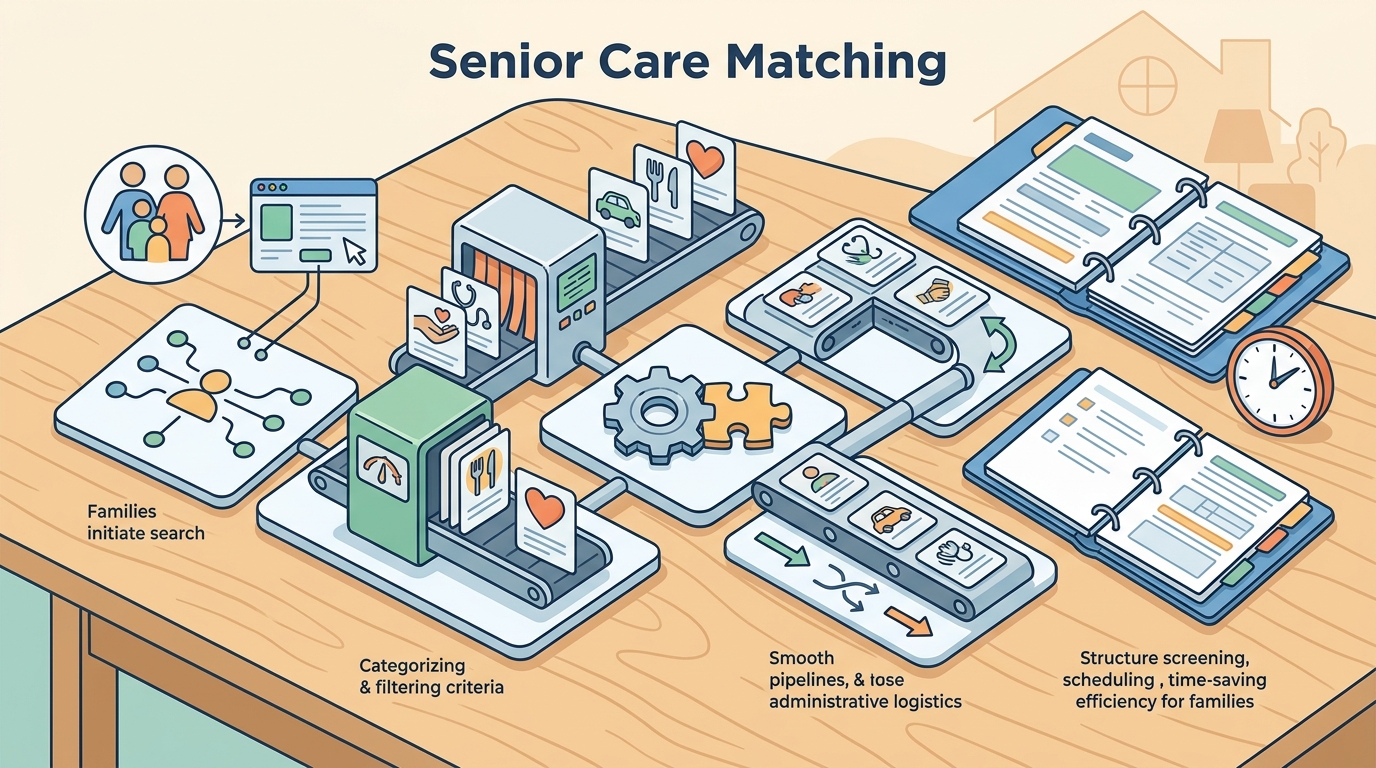
Senior care matching services are digital platforms that connect families with vetted in-home caregivers based on specific care needs, location, and availability. These services streamline the hiring process by handling initial screening, scheduling, and communication, allowing families to focus on the care recipient's well-being rather than administrative logistics. By leveraging technology, these platforms reduce the time and stress associated with finding reliable home care.
The Initial Assessment and Care Plan
The matching process begins with a detailed assessment of the care recipient's needs. Families provide information about daily living activities, medical conditions, and personal preferences. This data forms the basis of a personalized care plan. For example, a family caring for a parent with mobility issues might prioritize caregivers with experience in safe transfers and physical assistance. This initial step ensures that the proposed care aligns with the recipient's actual requirements.
Defining Care Needs
Accurate assessment is critical for successful matching. CareLinx guides families through this process by asking specific questions about the type of care needed, such as companionship, meal preparation, or personal care. This specificity helps filter out incompatible candidates early in the process. A well-defined care plan serves as the blueprint for the entire engagement.
Technology-Driven Matching Algorithms
Modern matching services use algorithms to pair families with suitable caregivers. These systems analyze multiple data points, including location, availability, skills, and experience. The goal is to present a shortlist of high-quality candidates who meet the family's criteria. This technological approach increases efficiency and reduces the manual effort required to review hundreds of profiles. It also helps ensure that caregivers are matched with families in their immediate geographic area.
The Role of Data in Matching
Data-driven matching improves the likelihood of a successful long-term relationship. By analyzing patterns in care preferences and caregiver performance, platforms can refine their recommendations over time. This continuous learning process enhances the quality of matches for future families. The use of data ensures that matching is not random but based on objective criteria.
Vetting and Screening Processes
Trust is paramount in home care, which is why vetting is a core component of matching services. Platforms typically conduct background checks, reference verifications, and credential validations before listing a caregiver. This multi-layered screening process helps ensure the safety and reliability of the care team. Families can review these verification details before making a final decision. This transparency builds confidence in the matching process.
Background Checks and Verification
Background checks are a standard requirement for most professional caregivers. These checks may include criminal history, employment history, and education verification. While no system is perfect, rigorous screening significantly reduces risk. Families should always review the verification status of any caregiver they consider. This step is essential for protecting the care recipient's safety and well-being.
Scheduling and Ongoing Communication
Once a match is made, the platform facilitates scheduling and communication between the family and the caregiver. This includes setting up shifts, managing time off, and handling any changes in the care plan. Digital tools allow for real-time updates and easy coordination. This seamless communication helps prevent gaps in care and ensures that both parties are aligned on expectations. It also provides a record of interactions for future reference.
Managing Care Changes
Care needs can evolve over time, requiring adjustments to the care plan. Matching services provide tools to modify schedules or update care instructions as needed. This flexibility is crucial for adapting to changes in the care recipient's health or lifestyle. By centralizing communication, platforms help families manage these transitions smoothly. This ongoing support is a key benefit of using a matching service.
Cost Considerations and Payment
Transparent Pricing Models
Clear pricing information allows families to compare options and choose a service that fits their budget. Some platforms offer direct payment options, while others may work with insurance or government programs. Understanding these payment methods is crucial for accessing the right level of care. Families should ask about all potential costs before committing to a service. This ensures financial sustainability for the care arrangement.
Key Takeaways
- Senior care matching services use technology to connect families with vetted caregivers based on specific needs.
- The process begins with a detailed assessment to create a personalized care plan.
- Algorithms analyze data points like location, skills, and availability to generate matches.
- Rigorous vetting and background checks ensure the safety and reliability of caregivers.
- Digital tools facilitate scheduling and communication, reducing administrative burden.
- Transparent pricing and payment options help families manage costs effectively.
- Ongoing support and flexibility allow care plans to adapt to changing needs.
Frequently Asked Questions
How long does the matching process take?
The matching process typically takes a few days to a week, depending on the availability of suitable caregivers in the area. Families can expect to receive a shortlist of candidates within this timeframe. The exact duration may vary based on the complexity of the care needs.
Can I choose my own caregiver?
Yes, families usually have the final say in selecting a caregiver from the shortlist provided by the platform. The platform's role is to present qualified options, but the decision rests with the family. This ensures that the chosen caregiver is a good fit for the care recipient.
What if I am not satisfied with the match?
Most platforms offer support for re-matching if the initial caregiver is not a good fit. Families can communicate their concerns to the platform, which will then suggest alternative candidates. This flexibility helps ensure that the care arrangement meets the family's expectations.
Are the caregivers employees of the platform?
Generally, caregivers are independent contractors rather than employees of the platform. The platform facilitates the connection and provides tools for management, but the employment relationship is between the family and the caregiver. This distinction is important for understanding liability and payment structures.
How do I pay for the care?
Payment methods vary by platform, but most offer direct payment options through their digital interface. Some may also support insurance or government program payments. Families should review the payment options available before starting care. This ensures a smooth and transparent financial process.
What kind of support is provided after the match?
Platforms typically provide ongoing support, including scheduling tools, communication features, and customer service assistance. This support helps families manage the care arrangement and address any issues that arise. Continuous support is a key benefit of using a matching service.
Is the service available in my area?
Availability depends on the platform's network coverage in your specific location. Most major platforms have a wide geographic reach, but coverage can vary by region. Families should check the platform's availability in their area before signing up. This ensures that suitable caregivers are accessible when needed.
Start Your Search with CareLinx
CareLinx provides a trusted platform for families to find and connect with quality in-home caregivers. By leveraging technology and rigorous screening, CareLinx simplifies the process of finding the right care for your loved ones. To begin your search, find a caregiver on CareLinx today.