
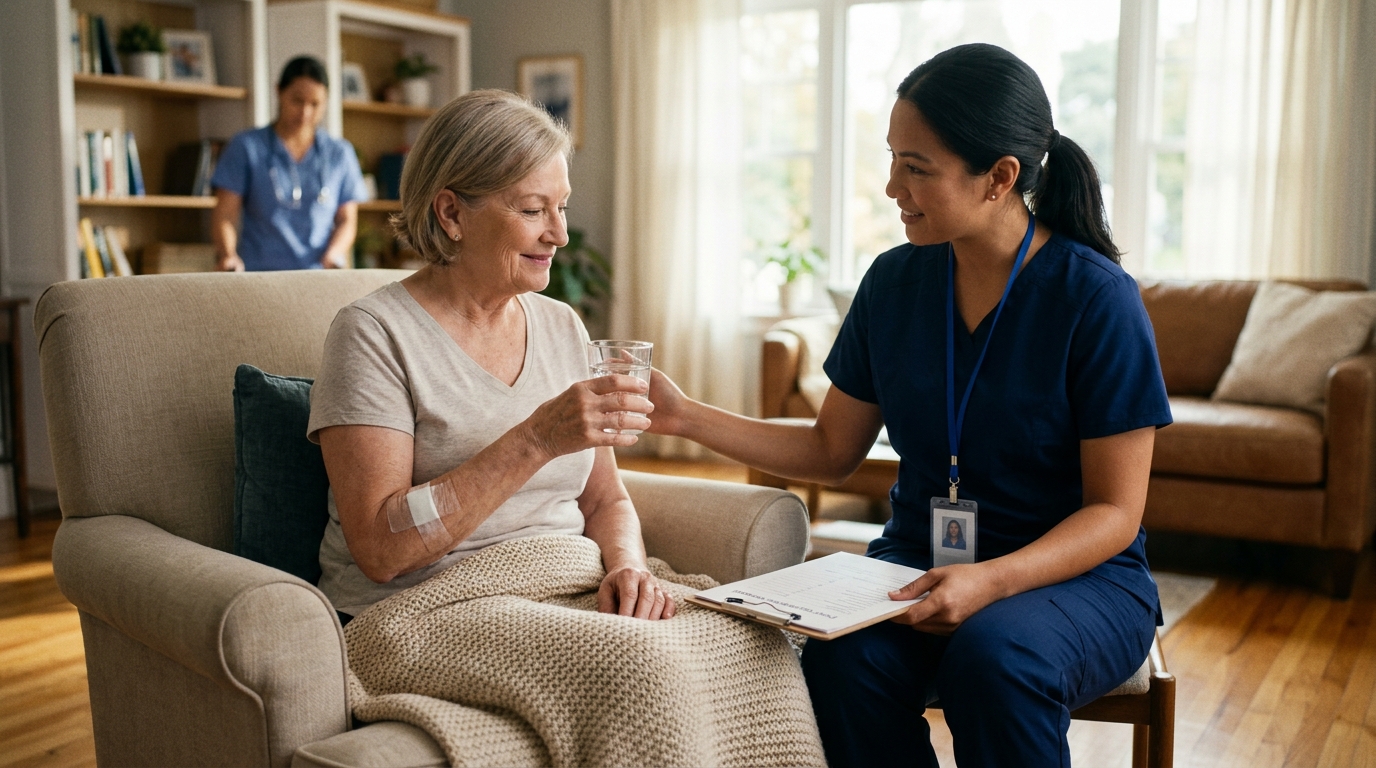
Choosing the right in-home care provider is critical for safe post-surgery recovery. CareLinx is a technology-enabled platform that connects families with vetted caregivers for non-medical and clinical support. This guide covers credential verification, vetting processes, background checks, and home health nursing to help you find the right professional for your loved one's recovery. according to Hiring an In
Credential Verification
Credential verification is the process of confirming that a healthcare professional holds valid licenses and certifications. For post-surgery recovery, you must distinguish between non-medical caregivers and licensed clinical staff. Non-medical caregivers assist with activities of daily living (ADLs) such as bathing, dressing, and meal preparation. They do not provide medical treatments. Licensed professionals, such as Registered Nurses (RNs) or Licensed Practical Nurses (LPNs), can manage wound care, administer medications, and monitor vital signs. CareLinx allows you to filter providers by specific credentials, ensuring you match the right level of care to your surgical needs. If your recovery requires clinical interventions, you must hire a licensed professional. If you need assistance with mobility and companionship, a non-medical caregiver is appropriate. Always verify that the provider's license is active and in good standing with the relevant state board.
The Vetting Process
A robust vetting process is the systematic evaluation of a caregiver's history, skills, and reliability before they enter your home. This process goes beyond a simple resume review. It includes multi-step behavioral interviews to assess communication skills and empathy. It also involves reference checks with previous employers or clients. CareLinx employs a rigorous screening process that includes comprehensive background checks and customizable training requirements. This ensures that every professional on the platform meets industry standards. The vetting process helps mitigate risk by identifying red flags early. It also ensures that the caregiver has the specific experience needed for post-surgical patients. For example, a caregiver experienced in orthopedic recovery will understand the importance of fall prevention and mobility assistance. A caregiver experienced in cardiac recovery will know how to monitor for signs of complications. By understanding the depth of the vetting process, you can feel more confident in your hiring decision. according to Hiring an In
Caregiver Background Checks
Caregiver background checks are criminal and civil record searches designed to ensure the safety of the care recipient. These checks typically include state and federal criminal history, sex offender registry checks, and sometimes driving record reviews. They are a non-negotiable component of any reputable home care service. CareLinx conducts comprehensive background checks as part of its onboarding process. This helps protect families from potential risks. However, a background check is not a guarantee of future behavior. It is a baseline safety measure. You should also conduct your own due diligence. This includes interviewing the caregiver and asking about their experience with post-surgical patients. You can ask about their approach to pain management, their communication style, and their emergency protocols. Combining professional background checks with your own interviews provides the highest level of safety. Remember that background checks are a snapshot in time. Ongoing monitoring and regular check-ins are essential for long-term care.
Home Health Nursing
Home health nursing is the provision of skilled nursing care in the patient's home by licensed professionals. This type of care is essential for complex post-surgical recoveries. It includes wound care, IV therapy, medication management, and patient education. Home health nursing is different from non-medical home care. It requires a clinical license and specific training. Medicare and many private insurance plans cover home health nursing if the patient is homebound and requires intermittent skilled care. CareLinx connects families with licensed healthcare professionals who can deliver these services. If your surgery was complex, such as a hip replacement or cardiac procedure, you may need a nurse for the first few weeks. A nurse can assess your recovery progress and adjust the care plan as needed. They can also educate you and your family on how to manage the recovery at home. This education is crucial for preventing complications and ensuring a smooth transition back to normal activities.

Comparison of Care Types
| Feature | Non-Medical Caregiver | Licensed Nurse (RN/LPN) |
|---|---|---|
| Primary Role | Companionship and ADL assistance | Skilled clinical care and assessment |
| Licensing | Not required (state dependent) | State license required |
| Medical Tasks | Medication reminders only | Medication administration, wound care |
| Best For | Simple recoveries, mobility help | Complex surgeries, post-op monitoring |
| Cost | Generally lower | Generally higher |
Key Takeaways
- Credential verification ensures the provider has the right license for the level of care needed.
- A thorough vetting process includes interviews, references, and training checks.
- Background checks are a baseline safety measure but should be supplemented with personal interviews.
- Home health nursing is essential for complex surgical recoveries requiring clinical interventions.
- Non-medical caregivers are ideal for assistance with daily activities and companionship.
- Insurance coverage varies significantly between non-medical care and skilled nursing.
- Communication is key; ensure the caregiver understands your specific post-surgical needs.
- Regular check-ins and care plan adjustments are crucial for a successful recovery.
Frequently Asked Questions
What is the difference between home health and home care?
Home health is skilled medical care provided by licensed professionals, often covered by insurance. Home care is non-medical assistance with daily activities, usually paid out-of-pocket.
Can a non-medical caregiver administer medication?
No, non-medical caregivers can only provide medication reminders. Only licensed nurses can administer medication.
How long do I need a caregiver after surgery?
It depends on the surgery. Simple procedures may require a few days of help. Major surgeries may require weeks of skilled nursing and ongoing non-medical support.
Does insurance cover in-home care after surgery?
Insurance typically covers skilled nursing if you are homebound. It rarely covers non-medical companionship or housekeeping.
How do I verify a caregiver's credentials?
Check their license with the state board of nursing or relevant licensing body. Ask for references and verify their employment history.
What should I ask a caregiver during an interview?
Ask about their experience with your specific surgery, their approach to pain management, and their emergency protocols.
Conclusion
Choosing the right caregiving service for post-surgery recovery requires careful consideration of credentials, vetting, and the specific type of care needed. CareLinx provides a platform to connect with both non-medical caregivers and licensed professionals, ensuring you find the right fit for your recovery journey. By understanding the differences between care types and the importance of thorough vetting, you can make an informed decision that supports your loved one's health and independence. To begin your search, find a caregiver on CareLinx today.